Birdr

Sora vs Small-billed Elaenia

Porzana carolina versus Elaenia parvirostris

Play a quiz with Sora and Small-billed Elaenia
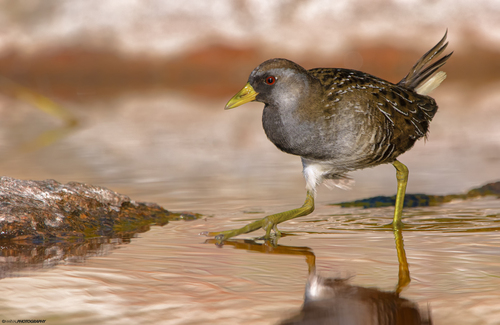
Sora (Porzana carolina) Sora
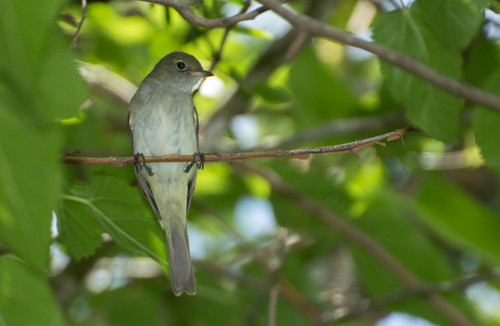
Small-billed Elaenia (Elaenia parvirostris) Small-billed Elaenia

Media

Loading…

In short

The Sora and Small-billed Elaenia are distinct species, with the Sora being a waterbird and the Small-billed Elaenia a flycatcher. The Sora is best identified by its short, yellow bill and distinctive black face mask, while the Small-billed Elaenia is noted for its grayer underparts and third wingbar. Vocalizations are a key differentiator, as the Sora's calls are quite different from the more typical flycatcher sounds of the Elaenia.

Identification tips

1. Habitat: Look for Soras in marshy areas; Small-billed Elaenias are found in woodlands and parks. 2. Face markings: Soras have a black face mask; Elaenias do not. 3. Bill: Soras have a short, yellow bill; Elaenias have a shorter bill relative to other Elaenias. 4. Behavior: Soras are secretive; Elaenias are active and conspicuous. 5. Vocalization: Listen for the Sora's descending whinny versus the varied calls of the Elaenia.

Size

The Sora is a small rail, generally more compact and heavier than the Small-billed Elaenia, which is a small, slender flycatcher.

Plumage

The Sora has a distinctive black face mask and a short, yellow bill, with brownish upperparts and barred flanks. The Small-billed Elaenia has grayer underparts, a shorter bill, and a third wingbar, lacking the distinctive face markings of the Sora.

Behaviour

Soras are typically secretive, often seen skulking in marsh vegetation, while Small-billed Elaenias are more active and conspicuous, often seen flitting about in trees and shrubs.

Habitat

Soras are found in marshes and wetlands, whereas Small-billed Elaenias are more commonly found in open woodlands, parks, and gardens.

Voice

The Sora has a distinctive descending whinny call, unlike the more typical flycatcher calls of the Small-billed Elaenia, which are more varied and include whistles and trills.

Submit a better description

Use the same sections as the comparison. Your text is published immediately.

The Sora and Small-billed Elaenia are distinct species, with the Sora being a waterbird and the Small-billed Elaenia a flycatcher. The Sora is best identified by its short, yellow bill and distinctive black face mask, while the Small-billed Elaenia is noted for its grayer underparts and third wingbar. Vocalizations are a key differentiator, as the Sora's calls are quite different from the more typical flycatcher sounds of the Elaenia.

1. Habitat: Look for Soras in marshy areas; Small-billed Elaenias are found in woodlands and parks. 2. Face markings: Soras have a black face mask; Elaenias do not. 3. Bill: Soras have a short, yellow bill; Elaenias have a shorter bill relative to other Elaenias. 4. Behavior: Soras are secretive; Elaenias are active and conspicuous. 5. Vocalization: Listen for the Sora's descending whinny versus the varied calls of the Elaenia.

The Sora is a small rail, generally more compact and heavier than the Small-billed Elaenia, which is a small, slender flycatcher.

The Sora has a distinctive black face mask and a short, yellow bill, with brownish upperparts and barred flanks. The Small-billed Elaenia has grayer underparts, a shorter bill, and a third wingbar, lacking the distinctive face markings of the Sora.

Soras are typically secretive, often seen skulking in marsh vegetation, while Small-billed Elaenias are more active and conspicuous, often seen flitting about in trees and shrubs.

Soras are found in marshes and wetlands, whereas Small-billed Elaenias are more commonly found in open woodlands, parks, and gardens.

The Sora has a distinctive descending whinny call, unlike the more typical flycatcher calls of the Small-billed Elaenia, which are more varied and include whistles and trills.

Discard your changes?

You have unsaved edits. If you leave now, those changes will be lost.

Sora · Small-billed Elaenia · My Tricky Birds