Stone-curlew vs Grey Plover
Burhinus oedicnemus versus Pluvialis squatarola
Play a quiz with Stone-curlew and Grey Plover
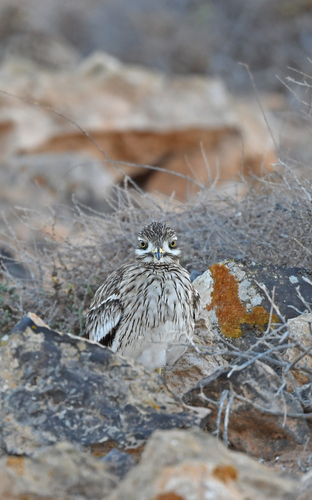
Stone-curlew
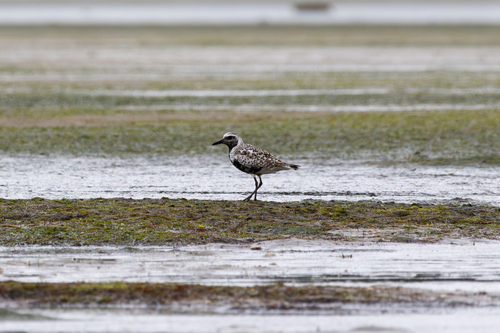
Grey Plover
In short
The Stone-curlew and Grey Plover can be distinguished by their structure and habitat preferences. The Stone-curlew has a more robust body with a thick bill, while the Grey Plover is slimmer with a shorter, more pointed bill. Stone-curlews prefer dry, open habitats, whereas Grey Plovers are typically found in coastal areas.
Identification tips
- Bill shape: Stone-curlew has a thick, strong bill; Grey Plover has a shorter, pointed bill. 2. Eye color: Stone-curlew has striking yellow eyes. 3. Habitat: Look for Stone-curlews in open, dry areas and Grey Plovers along coastlines. 4. Vocalizations: Listen for the Stone-curlew's wailing call at night and the Grey Plover's whistling call.
Size
The Stone-curlew is generally larger and more robust than the Grey Plover, which is more slender.
Plumage
Stone-curlews have a sandy-brown plumage with distinctive yellow eyes and a strong, thick bill. Grey Plovers in non-breeding plumage are grey with a speckled appearance and have a shorter, more pointed bill.
Behaviour
Stone-curlews are often seen standing still or walking slowly in open fields, while Grey Plovers are more active, often seen foraging along shorelines.
Habitat
Stone-curlews are found in dry, open habitats such as grasslands and semi-deserts. Grey Plovers prefer coastal habitats, including mudflats and sandy beaches.
Voice
Stone-curlews have a loud, wailing call often heard at night, while Grey Plovers have a plaintive, whistling call.