Birdr

Stripe-crowned Spinetail vs Olive Spinetail

Cranioleuca pyrrhophia versus Cranioleuca obsoleta

Play a quiz with Stripe-crowned Spinetail and Olive Spinetail
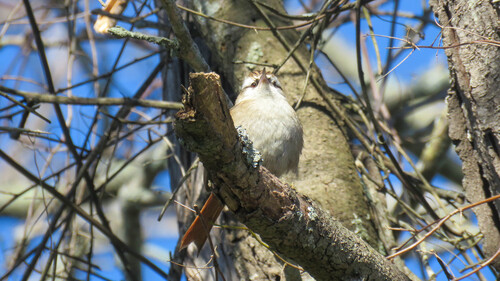
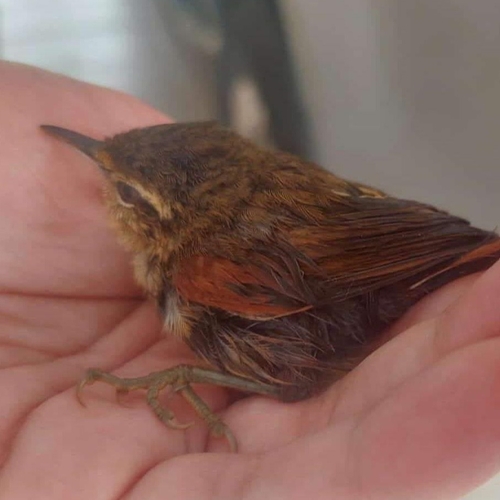
Stripe-crowned Spinetail (Cranioleuca pyrrhophia) Stripe-crowned Spinetail
Olive Spinetail (Cranioleuca obsoleta) Olive Spinetail

Media

Loading…

In short

The Stripe-crowned Spinetail and Olive Spinetail are both members of the Cranioleuca genus, making them structurally similar. The most reliable field mark is the crown pattern: the Stripe-crowned Spinetail has a distinctive striped crown, while the Olive Spinetail lacks this feature. Both species have similar body shapes and sizes.

Identification tips

  1. Look for the striped crown on the Stripe-crowned Spinetail. 2. Observe the overall plumage: Olive Spinetails are more uniformly olive-brown. 3. Listen for the trilled vocalization of the Stripe-crowned Spinetail. 4. Note the habitat: both prefer dense vegetation, but the Stripe-crowned tends to avoid open areas.

Size

Both species are similar in size, typical of spinetails, with no significant difference in bill size or tail length.

Plumage

The Stripe-crowned Spinetail features a striped crown which is absent in the Olive Spinetail. The Olive Spinetail has a more uniform olive-brown plumage without the distinct crown pattern.

Behaviour

Both species are active foragers, often seen probing and gleaning in dense vegetation. They may join mixed-species flocks but are often seen in pairs or small family groups.

Habitat

Stripe-crowned Spinetails are found in the mid-story of dense shrubby trees in dry forests, avoiding open areas. Olive Spinetails prefer similar habitats but can be found in slightly more varied environments.

Voice

The Stripe-crowned Spinetail's call is a loud series of trilled notes that coalesce into a final trill. The Olive Spinetail's vocalizations are less documented, but any differences in trilling patterns could be a clue.

Submit a better description

Use the same sections as the comparison. Your text is published immediately.

The Stripe-crowned Spinetail and Olive Spinetail are both members of the Cranioleuca genus, making them structurally similar. The most reliable field mark is the crown pattern: the Stripe-crowned Spinetail has a distinctive striped crown, while the Olive Spinetail lacks this feature. Both species have similar body shapes and sizes.

  1. Look for the striped crown on the Stripe-crowned Spinetail. 2. Observe the overall plumage: Olive Spinetails are more uniformly olive-brown. 3. Listen for the trilled vocalization of the Stripe-crowned Spinetail. 4. Note the habitat: both prefer dense vegetation, but the Stripe-crowned tends to avoid open areas.

Both species are similar in size, typical of spinetails, with no significant difference in bill size or tail length.

The Stripe-crowned Spinetail features a striped crown which is absent in the Olive Spinetail. The Olive Spinetail has a more uniform olive-brown plumage without the distinct crown pattern.

Both species are active foragers, often seen probing and gleaning in dense vegetation. They may join mixed-species flocks but are often seen in pairs or small family groups.

Stripe-crowned Spinetails are found in the mid-story of dense shrubby trees in dry forests, avoiding open areas. Olive Spinetails prefer similar habitats but can be found in slightly more varied environments.

The Stripe-crowned Spinetail's call is a loud series of trilled notes that coalesce into a final trill. The Olive Spinetail's vocalizations are less documented, but any differences in trilling patterns could be a clue.

Discard your changes?

You have unsaved edits. If you leave now, those changes will be lost.

Stripe-crowned Spinetail · Olive Spinetail · My Tricky Birds