
Birdr

Sunda Pygmy Woodpecker vs Grey-capped Pygmy Woodpecker

Yungipicus moluccensis versus Yungipicus canicapillus

Play a quiz with Sunda Pygmy Woodpecker and Grey-capped Pygmy Woodpecker
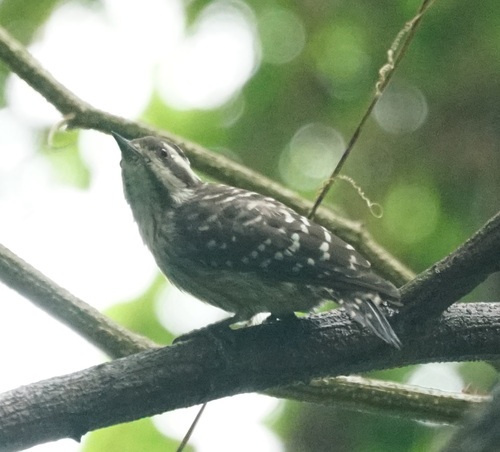
Sunda Pygmy Woodpecker (Yungipicus moluccensis) Sunda Pygmy Woodpecker
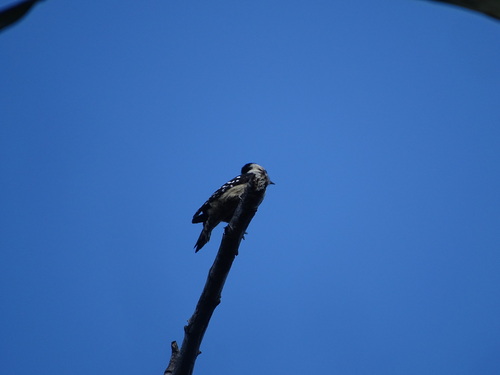
Grey-capped Pygmy Woodpecker (Yungipicus canicapillus) Grey-capped Pygmy Woodpecker

Media

Loading…

In short

The Sunda Pygmy Woodpecker and Grey-capped Pygmy Woodpecker are similar in size and structure, but can be distinguished by subtle differences in plumage and habitat preference. The Sunda Pygmy Woodpecker often has a more contrasting facial pattern, while the Grey-capped Pygmy Woodpecker typically shows a greyish crown.

Identification tips

Look for the greyish crown on the Grey-capped Pygmy Woodpecker. Check the facial pattern: the Sunda Pygmy Woodpecker often shows a more distinct supercilium. Consider habitat: the Sunda Pygmy Woodpecker favors lowland forests, while the Grey-capped Pygmy Woodpecker is more common in open woodlands.

Size

Both species are small woodpeckers with similar overall size and proportions.

Plumage

The Sunda Pygmy Woodpecker generally has a more contrasting facial pattern with a clearer supercilium, whereas the Grey-capped Pygmy Woodpecker often has a greyish crown and less distinct facial markings.

Behaviour

Both species exhibit typical woodpecker behaviors such as pecking on tree trunks and branches, and are often seen foraging in mixed-species flocks.

Habitat

The Sunda Pygmy Woodpecker is more likely to be found in lowland forests and mangroves, while the Grey-capped Pygmy Woodpecker is often associated with open woodlands and forest edges.

Voice

Both species have similar vocalizations, consisting of short, sharp calls, but specific differences are not well-documented.

Submit a better description

Use the same sections as the comparison. Your text is published immediately.

The Sunda Pygmy Woodpecker and Grey-capped Pygmy Woodpecker are similar in size and structure, but can be distinguished by subtle differences in plumage and habitat preference. The Sunda Pygmy Woodpecker often has a more contrasting facial pattern, while the Grey-capped Pygmy Woodpecker typically shows a greyish crown.

Look for the greyish crown on the Grey-capped Pygmy Woodpecker. Check the facial pattern: the Sunda Pygmy Woodpecker often shows a more distinct supercilium. Consider habitat: the Sunda Pygmy Woodpecker favors lowland forests, while the Grey-capped Pygmy Woodpecker is more common in open woodlands.

Both species are small woodpeckers with similar overall size and proportions.

The Sunda Pygmy Woodpecker generally has a more contrasting facial pattern with a clearer supercilium, whereas the Grey-capped Pygmy Woodpecker often has a greyish crown and less distinct facial markings.

Both species exhibit typical woodpecker behaviors such as pecking on tree trunks and branches, and are often seen foraging in mixed-species flocks.

The Sunda Pygmy Woodpecker is more likely to be found in lowland forests and mangroves, while the Grey-capped Pygmy Woodpecker is often associated with open woodlands and forest edges.

Both species have similar vocalizations, consisting of short, sharp calls, but specific differences are not well-documented.

Discard your changes?

You have unsaved edits. If you leave now, those changes will be lost.

Sunda Pygmy Woodpecker · Grey-capped Pygmy Woodpecker · My Tricky Birds