Birdr

Tawny-bellied Seedeater vs Ibera Seedeater

Sporophila hypoxantha versus Sporophila iberaensis

Play a quiz with Tawny-bellied Seedeater and Ibera Seedeater
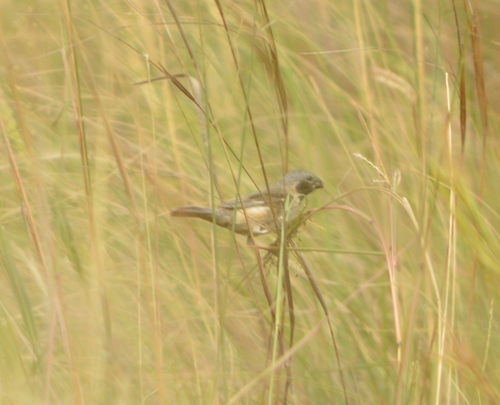
Tawny-bellied Seedeater (Sporophila hypoxantha) Tawny-bellied Seedeater
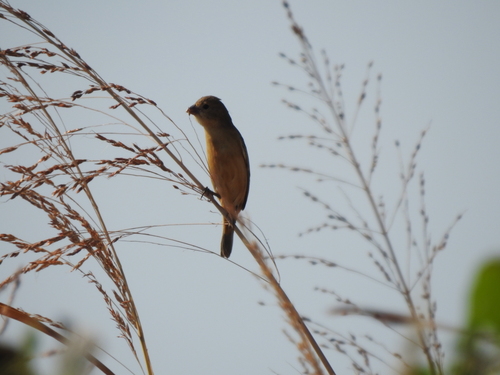
Ibera Seedeater (Sporophila iberaensis) Ibera Seedeater

Media

Loading…

In short

The Tawny-bellied Seedeater and Ibera Seedeater are similar in size and shape, with males differing mainly in plumage. The Tawny-bellied Seedeater is more widespread, while the Ibera Seedeater is a newer, near-threatened species with distinct breeding grounds.

Identification tips

Focus on male plumage differences: Tawny-bellied Seedeaters have tawny rufous underparts. Check for mixed-species flock behavior in Tawny-bellied Seedeaters. Listen for distinct songs during the breeding season. Be cautious with female identification due to their similar appearance.

Size

Both species are similar in size, typical of small seedeaters.

Plumage

Male Tawny-bellied Seedeaters have brownish gray upperparts with a white wing speculum and tawny rufous underparts. Ibera Seedeater males differ in coloration, but specific details are less documented. Females of both species are similarly brown and buffy, making them hard to distinguish.

Behaviour

Tawny-bellied Seedeaters often join large mixed-species flocks, especially outside the breeding season. Ibera Seedeater behavior is less documented but likely similar due to shared habitats.

Habitat

Tawny-bellied Seedeaters inhabit grasslands, marshes, and roadsides across a wide range in South America. Ibera Seedeaters are known from the Esteros del Iberá region, suggesting a more restricted range.

Voice

Both species have distinct male songs, which are crucial for identification, though specific differences are not detailed here.

Submit a better description

Use the same sections as the comparison. Your text is published immediately.

The Tawny-bellied Seedeater and Ibera Seedeater are similar in size and shape, with males differing mainly in plumage. The Tawny-bellied Seedeater is more widespread, while the Ibera Seedeater is a newer, near-threatened species with distinct breeding grounds.

Focus on male plumage differences: Tawny-bellied Seedeaters have tawny rufous underparts. Check for mixed-species flock behavior in Tawny-bellied Seedeaters. Listen for distinct songs during the breeding season. Be cautious with female identification due to their similar appearance.

Both species are similar in size, typical of small seedeaters.

Male Tawny-bellied Seedeaters have brownish gray upperparts with a white wing speculum and tawny rufous underparts. Ibera Seedeater males differ in coloration, but specific details are less documented. Females of both species are similarly brown and buffy, making them hard to distinguish.

Tawny-bellied Seedeaters often join large mixed-species flocks, especially outside the breeding season. Ibera Seedeater behavior is less documented but likely similar due to shared habitats.

Tawny-bellied Seedeaters inhabit grasslands, marshes, and roadsides across a wide range in South America. Ibera Seedeaters are known from the Esteros del Iberá region, suggesting a more restricted range.

Both species have distinct male songs, which are crucial for identification, though specific differences are not detailed here.

Discard your changes?

You have unsaved edits. If you leave now, those changes will be lost.

Tawny-bellied Seedeater · Ibera Seedeater · My Tricky Birds