
Tawny-flanked Prinia vs Pale Prinia
Prinia subflava versus Prinia somalica
Play a quiz with Tawny-flanked Prinia and Pale Prinia
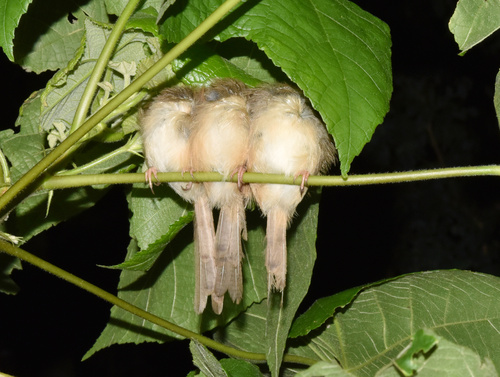 Tawny-flanked Prinia
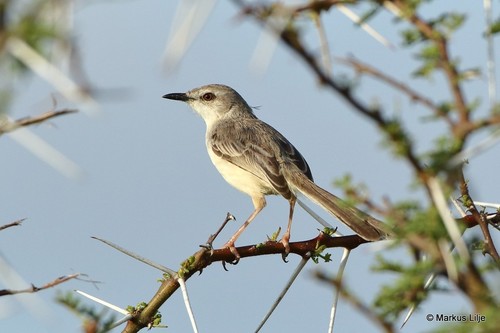 Pale Prinia
In short
The most reliable field mark to separate Tawny-flanked Prinia from Pale Prinia is the color of the flanks and overall tone: Tawny-flanked Prinia shows warm buff flanks and vent, while Pale Prinia is distinctly paler and greyer overall, with whitish flanks. Both species are small, long-tailed warblers with similar structure, but Tawny-flanked Prinia has rufous tones on the rump and flight feather edges, which Pale Prinia lacks. Juvenile Tawny-flanked Prinia can show pale yellow underparts, but this is not described for Pale Prinia. Habitat can also help: Pale Prinia is restricted to drier, more open habitats in northeast Africa, while Tawny-flanked Prinia is widespread in sub-Saharan Africa and tolerates a broader range of habitats. In the field, focus on flank color and overall warmth versus pallor, especially in perched birds.
Identification tips
- Flank color: Tawny-flanked Prinia has warm buff flanks and vent, while Pale Prinia has whitish flanks. This is the single most reliable mark in perched birds of all ages.
- Overall tone: Tawny-flanked Prinia appears warmer and browner, especially on the upperparts and rump, which have a rufous tinge. Pale Prinia is paler and greyer throughout, lacking rufous or buff tones.
- Flight feather edges and rump: Look for rufous-brown edges to the flight feathers and a rufous tinge to the rump in Tawny-flanked Prinia. Pale Prinia lacks these rufous highlights and appears more uniform grey-brown or pale.
- Juvenile underparts: Juvenile Tawny-flanked Prinia can show pale yellow underparts and a yellowish bill, a feature not described for Pale Prinia. If you see a yellowish-billed, yellow-bellied juvenile, Tawny-flanked Prinia is likely.
- Tail pattern: Both have a long, narrow, graduated tail with a white tip and dark subterminal band. This is not diagnostic between the two.
- Supercilium and lores: Both show a whitish stripe over the eye and dark lores. Not useful for separation.
- Tail length in non-breeding season: Non-breeding Tawny-flanked Prinia can have a longer tail than breeding birds, but this is not described for Pale Prinia and is not a reliable field mark.
- Habitat and range: If in northeast Africa (Ethiopia, Kenya, Somalia, South Sudan) in dry, open country, consider Pale Prinia. Elsewhere, especially in more humid or varied habitats, Tawny-flanked Prinia is far more likely.
- Behavior: Both are active, often in small flocks, and may hold the tail erect or wag it. Not a separator.
- Voice: Tawny-flanked Prinia has a short, wheezy, rapidly repeated call and a monotonous, shrill song. No information for Pale Prinia, so do not rely on voice.
- Sex and age: Sexes are similar in both species. Juvenile Tawny-flanked Prinia may show yellowish tones below, which can help if seen well.
- Seasonal change: No strong seasonal plumage differences described for either species, other than tail length in non-breeding Tawny-flanked Prinia.
- Pitfalls: In poor light, Pale Prinia may appear warmer than it is, and Tawny-flanked Prinia may look paler if flanks are not seen well. Always try to check the color of the flanks and rump in good light.
- Subspecies variation: Tawny-flanked Prinia has many subspecies, but all share the warm buff flanks and rufous tones that separate them from Pale Prinia.
- When in doubt: If flank color and overall tone are ambiguous, use habitat and range as supporting evidence, but do not rely solely on structure or behavior.
Size
Both species are small, slim warblers with long, narrow, graduated tails. Tawny-flanked Prinia averages 8.7g in mass [wikidata], but no mass data is available for Pale Prinia. Both are similar in length (Tawny-flanked Prinia: 11–12 cm), and there is no evidence of a significant size difference in the field. Structure and jizz are very similar, so size is not a reliable separation point.
Plumage
Juvenile Tawny-flanked Prinia have pale yellow underparts and a yellowish bill, which may contrast with the expected paler, greyer tones of Pale Prinia juveniles, though no specific juvenile description is given for Pale Prinia. For adults and older immatures, Tawny-flanked Prinia shows grey-brown upperparts with rufous-brown edges to the flight feathers, a rufous tinge to the rump, and warm buff flanks and vent. The tail is dark with a white tip and subterminal band. Pale Prinia, by contrast, is paler and greyer overall, with whitish flanks and lacking the rufous tones of Tawny-flanked Prinia. Both have a whitish supercilium and similar tail pattern. In non-breeding Tawny-flanked Prinia, the tail is longer, but this is not described for Pale Prinia. Sexes are similar in both species.
Behaviour
Both species forage in shrubs and undergrowth, often in small flocks. Tawny-flanked Prinia is noted for holding its tail erect or waving it from side to side, a behavior likely shared with Pale Prinia but not specifically described. Both are active, restless birds, often seen moving through low vegetation. No significant behavioral differences are noted for field separation.
Habitat
Habitat is a useful clue: Tawny-flanked Prinia is widespread across sub-Saharan Africa in a wide range of habitats, including woodland, savanna, cultivated areas, and even man-made environments. Pale Prinia is much more restricted, found only in Ethiopia, Kenya, Somalia, and South Sudan, and is associated with dry savanna and subtropical or tropical dry shrubland. If you are in drier, open country in northeast Africa, Pale Prinia is more likely; in more humid or varied habitats across sub-Saharan Africa, Tawny-flanked Prinia is the default.
Voice
Tawny-flanked Prinia gives a short, wheezy, rapidly repeated call and a monotonous series of shrill notes as song, often delivered from an exposed perch. No vocal description is provided for Pale Prinia, so voice is not a reliable separator based on current information.