Birdr

Tawny Owl vs Short-eared Owl

Strix aluco versus Asio flammeus

Play a quiz with Tawny Owl and Short-eared Owl
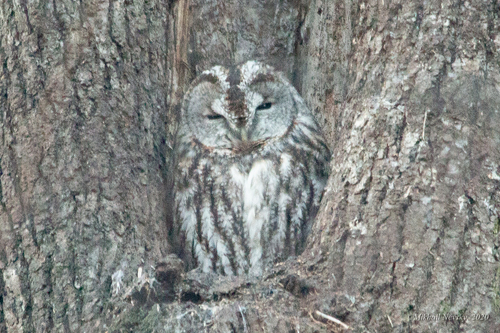
Tawny Owl (Strix aluco) Tawny Owl
Short-eared Owl (Asio flammeus) Short-eared Owl

Media

Loading…

In short

The Tawny Owl (Strix aluco) and the Short-eared Owl (Asio flammeus) are both medium-sized owls but differ significantly in habitat preference and plumage. Tawny Owls are typically found in wooded areas and have a more uniform, mottled brown appearance, while Short-eared Owls prefer open habitats like grasslands and exhibit a more striking facial pattern with prominent ear tufts.

Identification tips

1. Habitat: Observe the habitat; Tawny Owls are in wooded areas, Short-eared Owls in open fields. 2. Ear Tufts: Look for ear tufts; Short-eared Owls have them, Tawny Owls do not. 3. Activity Time: Note the time of activity; Short-eared Owls are more diurnal. 4. Plumage: Check for facial markings; Short-eared Owls have a pale face with dark eye patches. 5. Call: Listen for calls; Tawny Owls have a distinct 'twit-twoo'.

Size

Both species are medium-sized owls, but the Short-eared Owl appears slightly larger due to its longer wingspan.

Plumage

Tawny Owls have a mottled brown plumage with a rounded head and no ear tufts. In contrast, Short-eared Owls have a paler face with dark eye patches and noticeable ear tufts, giving them a more expressive facial appearance.

Behaviour

Short-eared Owls are often seen flying low over open fields during the day, whereas Tawny Owls are more nocturnal and secretive, typically roosting in dense foliage during daylight.

Habitat

Tawny Owls prefer dense woodlands and forests, while Short-eared Owls are found in open habitats such as grasslands, marshes, and tundra.

Voice

Tawny Owls are known for their classic 'twit-twoo' call, whereas Short-eared Owls have a variety of calls, including a bark-like call and a hooting sound, though they are generally less vocal.

Submit a better description

Use the same sections as the comparison. Your text is published immediately.

The Tawny Owl (Strix aluco) and the Short-eared Owl (Asio flammeus) are both medium-sized owls but differ significantly in habitat preference and plumage. Tawny Owls are typically found in wooded areas and have a more uniform, mottled brown appearance, while Short-eared Owls prefer open habitats like grasslands and exhibit a more striking facial pattern with prominent ear tufts.

1. Habitat: Observe the habitat; Tawny Owls are in wooded areas, Short-eared Owls in open fields. 2. Ear Tufts: Look for ear tufts; Short-eared Owls have them, Tawny Owls do not. 3. Activity Time: Note the time of activity; Short-eared Owls are more diurnal. 4. Plumage: Check for facial markings; Short-eared Owls have a pale face with dark eye patches. 5. Call: Listen for calls; Tawny Owls have a distinct 'twit-twoo'.

Both species are medium-sized owls, but the Short-eared Owl appears slightly larger due to its longer wingspan.

Tawny Owls have a mottled brown plumage with a rounded head and no ear tufts. In contrast, Short-eared Owls have a paler face with dark eye patches and noticeable ear tufts, giving them a more expressive facial appearance.

Short-eared Owls are often seen flying low over open fields during the day, whereas Tawny Owls are more nocturnal and secretive, typically roosting in dense foliage during daylight.

Tawny Owls prefer dense woodlands and forests, while Short-eared Owls are found in open habitats such as grasslands, marshes, and tundra.

Tawny Owls are known for their classic 'twit-twoo' call, whereas Short-eared Owls have a variety of calls, including a bark-like call and a hooting sound, though they are generally less vocal.

Discard your changes?

You have unsaved edits. If you leave now, those changes will be lost.

Tawny Owl · Short-eared Owl · My Tricky Birds