Birdr

Tawny Pipit vs Olive-backed Pipit

Anthus campestris versus Anthus hodgsoni

Play a quiz with Tawny Pipit and Olive-backed Pipit
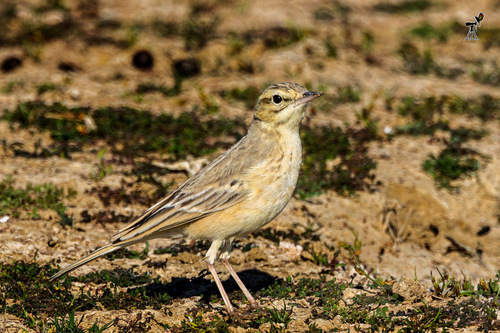
Tawny Pipit (Anthus campestris) Tawny Pipit
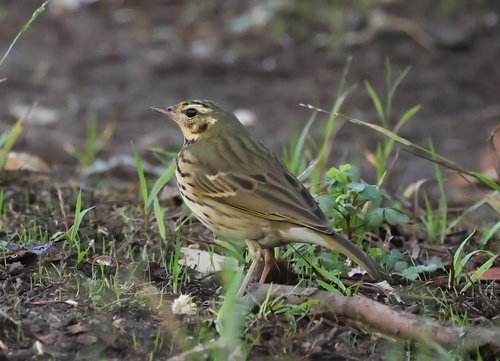
Olive-backed Pipit (Anthus hodgsoni) Olive-backed Pipit

Media

Loading…

In short

Tawny Pipit and Olive-backed Pipit can be distinguished by their habitat preference and plumage details. Tawny Pipit is typically found in open, dry habitats, while Olive-backed Pipit prefers wooded areas. Key differences in plumage include the Tawny Pipit's plainer appearance versus the Olive-backed Pipit's more distinct streaking and olive tones.

Identification tips

  1. Habitat: Check the surroundings; open fields suggest Tawny Pipit, while wooded areas suggest Olive-backed Pipit. 2. Plumage: Look for streaking; Olive-backed Pipit has more pronounced streaks and olive tones. 3. Behavior: Note the bird's posture and movement; Tawny Pipit is more upright and ground-dwelling. 4. Vocalization: Listen for the song; Tawny Pipit's is simpler, Olive-backed Pipit's more melodious.

Size

Both species are similar in size, though the Tawny Pipit can appear slightly larger due to its longer legs and more upright posture.

Plumage

Tawny Pipit has a plain, sandy-brown appearance with minimal streaking, especially on the back. In contrast, Olive-backed Pipit has a more pronounced olive tone on the back and distinct streaking on the breast and flanks.

Behaviour

Tawny Pipit often walks or runs on the ground in open areas, while Olive-backed Pipit is more likely to be seen perching in trees or shrubs in wooded habitats.

Habitat

Tawny Pipit prefers open, dry, and often sandy or stony habitats. Olive-backed Pipit is typically found in forested or wooded areas, often near water.

Voice

Tawny Pipit's song is a simple, repetitive series of notes, while Olive-backed Pipit's song is more complex and melodious. Calls can be similar, but Olive-backed Pipit's call is often described as a high-pitched 'tsee'.

Submit a better description

Use the same sections as the comparison. Your text is published immediately.

Tawny Pipit and Olive-backed Pipit can be distinguished by their habitat preference and plumage details. Tawny Pipit is typically found in open, dry habitats, while Olive-backed Pipit prefers wooded areas. Key differences in plumage include the Tawny Pipit's plainer appearance versus the Olive-backed Pipit's more distinct streaking and olive tones.

  1. Habitat: Check the surroundings; open fields suggest Tawny Pipit, while wooded areas suggest Olive-backed Pipit. 2. Plumage: Look for streaking; Olive-backed Pipit has more pronounced streaks and olive tones. 3. Behavior: Note the bird's posture and movement; Tawny Pipit is more upright and ground-dwelling. 4. Vocalization: Listen for the song; Tawny Pipit's is simpler, Olive-backed Pipit's more melodious.

Both species are similar in size, though the Tawny Pipit can appear slightly larger due to its longer legs and more upright posture.

Tawny Pipit has a plain, sandy-brown appearance with minimal streaking, especially on the back. In contrast, Olive-backed Pipit has a more pronounced olive tone on the back and distinct streaking on the breast and flanks.

Tawny Pipit often walks or runs on the ground in open areas, while Olive-backed Pipit is more likely to be seen perching in trees or shrubs in wooded habitats.

Tawny Pipit prefers open, dry, and often sandy or stony habitats. Olive-backed Pipit is typically found in forested or wooded areas, often near water.

Tawny Pipit's song is a simple, repetitive series of notes, while Olive-backed Pipit's song is more complex and melodious. Calls can be similar, but Olive-backed Pipit's call is often described as a high-pitched 'tsee'.

Discard your changes?

You have unsaved edits. If you leave now, those changes will be lost.

Tawny Pipit · Olive-backed Pipit · My Tricky Birds