Thrush Nightingale vs Red-breasted Flycatcher
Luscinia luscinia versus Ficedula parva
Play a quiz with Thrush Nightingale and Red-breasted Flycatcher
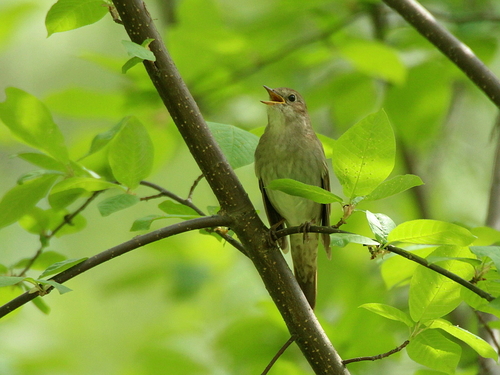
Thrush Nightingale
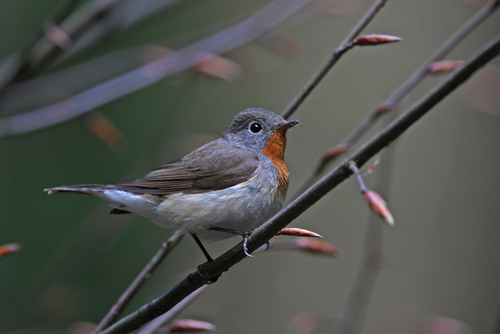
Red-breasted Flycatcher
In short
The Thrush Nightingale and Red-breasted Flycatcher can be distinguished by their structure and plumage. The Thrush Nightingale is more robust with a plain brown appearance, while the Red-breasted Flycatcher is smaller and more colorful, especially the males with their distinctive red throat patch.
Identification tips
1. Structure: Look for the Thrush Nightingale's more robust build and longer tail. 2. Plumage: Note the plain brown of the Thrush Nightingale vs. the Red-breasted Flycatcher's red throat (in males) and contrasting plumage. 3. Habitat: Consider the habitat; Thrush Nightingales prefer dense woodlands, while Red-breasted Flycatchers are found in mixed forests. 4. Song: Listen for the Thrush Nightingale's rich, varied song compared to the simpler song of the Red-breasted Flycatcher.
Size
The Thrush Nightingale is larger and more robust compared to the smaller, more delicate Red-breasted Flycatcher.
Plumage
The Thrush Nightingale has a plain brown plumage with no distinct markings, whereas the Red-breasted Flycatcher, particularly the male, has a notable red throat patch and a more contrasting plumage.
Behaviour
Both species are generally elusive, but the Red-breasted Flycatcher may be seen more often in the open, actively flycatching.
Habitat
The Thrush Nightingale prefers dense, damp woodlands, while the Red-breasted Flycatcher is often found in mixed or deciduous forests, sometimes near water.
Voice
The Thrush Nightingale has a rich, varied song with a series of whistles and trills, while the Red-breasted Flycatcher's song is a simple, repetitive series of high-pitched notes.
Thrush Nightingale · Red-breasted Flycatcher · My Tricky Birds