Birdr

Timberline Wren vs Rufous-naped Wren

Thryorchilus browni versus Campylorhynchus rufinucha

Play a quiz with Timberline Wren and Rufous-naped Wren
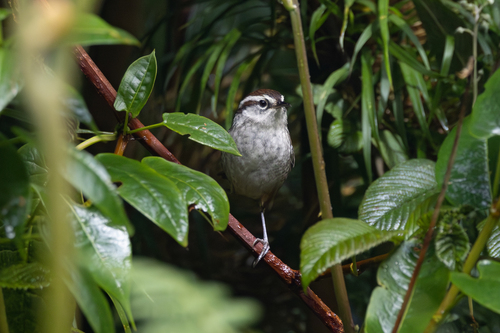
Timberline Wren (Thryorchilus browni) Timberline Wren
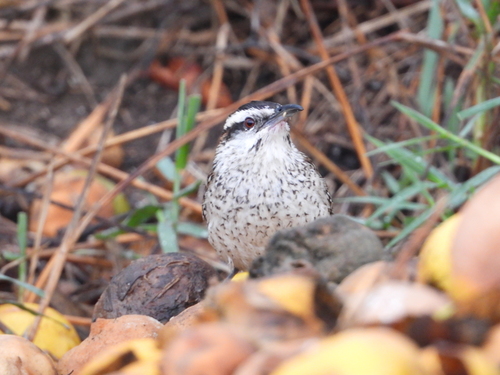
Rufous-naped Wren (Campylorhynchus rufinucha) Rufous-naped Wren

Media

Loading…

In short

The Timberline Wren and Rufous-naped Wren can be distinguished by their size and plumage patterns. The Timberline Wren is smaller and more uniformly brown, while the Rufous-naped Wren is larger with a distinctive rufous nape and more contrasting plumage.

Identification tips

Look for the size difference first; the Timberline Wren is noticeably smaller. Check for the rufous nape and contrasting plumage of the Rufous-naped Wren. Consider the habitat; Timberline Wrens are found at higher elevations. Listen for the song; Timberline Wrens have a more melodious song.

Size

The Timberline Wren is smaller and more compact compared to the larger Rufous-naped Wren.

Plumage

The Timberline Wren has a more uniform brown plumage with subtle streaking, lacking the bold patterns seen in the Rufous-naped Wren, which features a rufous nape, a white supercilium, and more contrasting black and white markings.

Behaviour

Both species are active and often seen foraging in dense vegetation, but the Rufous-naped Wren may be more conspicuous due to its larger size and bolder movements.

Habitat

The Timberline Wren is typically found in high elevation cloud forests, while the Rufous-naped Wren inhabits lower elevation dry forests and scrublands.

Voice

The Timberline Wren has a more complex and melodious song compared to the Rufous-naped Wren, which has a harsher, more repetitive call.

Submit a better description

Use the same sections as the comparison. Your text is published immediately.

The Timberline Wren and Rufous-naped Wren can be distinguished by their size and plumage patterns. The Timberline Wren is smaller and more uniformly brown, while the Rufous-naped Wren is larger with a distinctive rufous nape and more contrasting plumage.

Look for the size difference first; the Timberline Wren is noticeably smaller. Check for the rufous nape and contrasting plumage of the Rufous-naped Wren. Consider the habitat; Timberline Wrens are found at higher elevations. Listen for the song; Timberline Wrens have a more melodious song.

The Timberline Wren is smaller and more compact compared to the larger Rufous-naped Wren.

The Timberline Wren has a more uniform brown plumage with subtle streaking, lacking the bold patterns seen in the Rufous-naped Wren, which features a rufous nape, a white supercilium, and more contrasting black and white markings.

Both species are active and often seen foraging in dense vegetation, but the Rufous-naped Wren may be more conspicuous due to its larger size and bolder movements.

The Timberline Wren is typically found in high elevation cloud forests, while the Rufous-naped Wren inhabits lower elevation dry forests and scrublands.

The Timberline Wren has a more complex and melodious song compared to the Rufous-naped Wren, which has a harsher, more repetitive call.

Discard your changes?

You have unsaved edits. If you leave now, those changes will be lost.

Timberline Wren · Rufous-naped Wren · My Tricky Birds