Birdr

Tufted Antshrike vs Rufous-capped Antshrike

Mackenziaena severa versus Thamnophilus ruficapillus

Play a quiz with Tufted Antshrike and Rufous-capped Antshrike
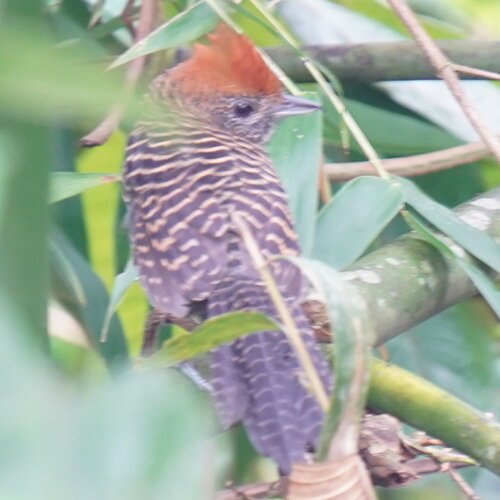
Tufted Antshrike (Mackenziaena severa) Tufted Antshrike
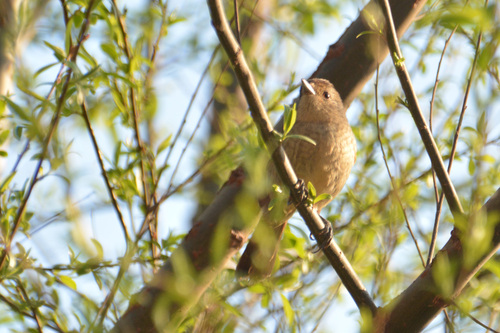
Rufous-capped Antshrike (Thamnophilus ruficapillus) Rufous-capped Antshrike

Media

Loading…

In short

The Tufted Antshrike and Rufous-capped Antshrike can be distinguished by their plumage and habitat preferences. The Tufted Antshrike is heavily barred with pale rufous and cinnamon, while the Rufous-capped Antshrike generally has light brown or gray plumage with a distinctive rufous cap. Both species are found in dense cover, but the Tufted Antshrike is more likely at lower elevations in areas of overlap.

Identification tips

1. Plumage: Look for the heavily barred rufous and cinnamon pattern of the Tufted Antshrike versus the rufous cap and generally lighter plumage of the Rufous-capped Antshrike. 2. Habitat: Note the elevation and habitat type; Tufted Antshrikes are more likely at lower elevations in dense forests. 3. Behavior: Observe response to playback; Tufted Antshrikes are more likely to respond vocally from cover.

Size

Both species are similar in size, typical of antshrikes, but the Tufted Antshrike may appear slightly larger due to its more robust build and longer tail.

Plumage

The Tufted Antshrike is heavily barred with pale rufous and cinnamon throughout, whereas the Rufous-capped Antshrike has light brown or gray plumage with a rufous cap. The female Rufous-capped has less barring and is often whitish or buff underneath.

Behaviour

Tufted Antshrikes often respond to playback and may call from dense cover. Rufous-capped Antshrikes forage singly or in pairs and are less known for responding to playback.

Habitat

Tufted Antshrikes are found at lower elevations in dense forests, especially in areas of overlap with the Large-tailed Antshrike. Rufous-capped Antshrikes prefer edges of humid forests, second growth, and dense scrub.

Voice

The Tufted Antshrike is known to call back from cover, but specific vocalization details for both species are not well documented here.

Submit a better description

Use the same sections as the comparison. Your text is published immediately.

The Tufted Antshrike and Rufous-capped Antshrike can be distinguished by their plumage and habitat preferences. The Tufted Antshrike is heavily barred with pale rufous and cinnamon, while the Rufous-capped Antshrike generally has light brown or gray plumage with a distinctive rufous cap. Both species are found in dense cover, but the Tufted Antshrike is more likely at lower elevations in areas of overlap.

1. Plumage: Look for the heavily barred rufous and cinnamon pattern of the Tufted Antshrike versus the rufous cap and generally lighter plumage of the Rufous-capped Antshrike. 2. Habitat: Note the elevation and habitat type; Tufted Antshrikes are more likely at lower elevations in dense forests. 3. Behavior: Observe response to playback; Tufted Antshrikes are more likely to respond vocally from cover.

Both species are similar in size, typical of antshrikes, but the Tufted Antshrike may appear slightly larger due to its more robust build and longer tail.

The Tufted Antshrike is heavily barred with pale rufous and cinnamon throughout, whereas the Rufous-capped Antshrike has light brown or gray plumage with a rufous cap. The female Rufous-capped has less barring and is often whitish or buff underneath.

Tufted Antshrikes often respond to playback and may call from dense cover. Rufous-capped Antshrikes forage singly or in pairs and are less known for responding to playback.

Tufted Antshrikes are found at lower elevations in dense forests, especially in areas of overlap with the Large-tailed Antshrike. Rufous-capped Antshrikes prefer edges of humid forests, second growth, and dense scrub.

The Tufted Antshrike is known to call back from cover, but specific vocalization details for both species are not well documented here.

Discard your changes?

You have unsaved edits. If you leave now, those changes will be lost.

Tufted Antshrike · Rufous-capped Antshrike · My Tricky Birds