
Turkestan Shrike vs Isabelline Shrike
Lanius phoenicuroides versus Lanius isabellinus
Play a quiz with Turkestan Shrike and Isabelline Shrike
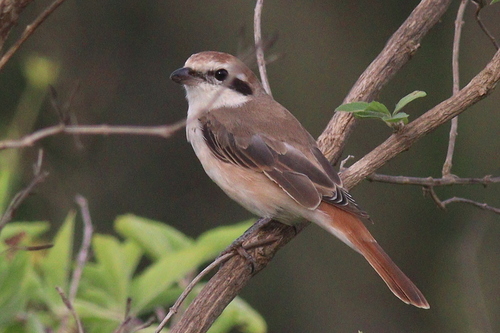 Turkestan Shrike
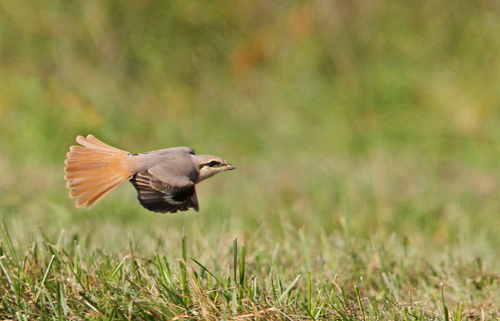 Isabelline Shrike
In short
Turkestan Shrike and Isabelline Shrike are extremely similar, once considered the same species, and are most reliably separated by subtle differences in overall plumage tone and the patterning of young birds. Isabelline Shrike shows a distinctive sandy or 'isabelline' coloration overall, while Turkestan Shrike is typically colder and greyer above. Juvenile and immature birds are especially challenging, but Isabelline Shrike juveniles have much sparser barring (vermiculations) on the underparts than Turkestan. Both have red tails, but the tone and contrast with the back can help: Isabelline’s tail is often less contrasting with its sandy back, while Turkestan’s tail stands out more against a greyer mantle. Structural and behavioral differences are minimal in the field, so careful attention to subtle plumage cues is essential.
Identification tips
- Juvenile underpart barring: Juvenile Isabelline Shrike has much sparser vermiculations (fine bars or spots) on the underparts, resulting in a paler, cleaner look below. Turkestan Shrike juveniles are more heavily barred and appear duskier underneath. This is the most reliable mark for immatures.
- Overall plumage tone: Isabelline Shrike of all ages is distinctly sandy or buff ('isabelline') above and below, while Turkestan Shrike is colder and greyer above, especially on the mantle and crown. This difference is subtle but consistent in good light.
- Tail contrast: Both have a red tail, but on Isabelline Shrike the tail is less contrasting with the sandy back, whereas on Turkestan Shrike the red tail stands out more against the greyer upperparts.
- Face mask: Both show a dark mask through the eye, but the extent and darkness are not reliably different in the field. Do not rely on this feature alone.
- Wing pattern: There are no distinctive upperwing or flight pattern differences described for either species at any age; do not use wing panels or flight marks for separation.
- Bill and structure: Both species are structurally very similar, with no reliable differences in bill size, tail length, or primary projection.
- Perched vs. in flight: No field marks are described that change significantly between perched and flying birds for these two species.
- Habitat and context: Both occur in open country with scattered bushes or thorn scrub; habitat is not a reliable separator except at the extremes of their breeding ranges.
- Range: If seen well within the core breeding range of one species, range may support identification, but both can occur as migrants or vagrants, so this is not diagnostic.
- Sex differences: No sex-specific field marks are noted for separating these two species; both sexes are similar.
- Seasonal variation: Both species show similar seasonal changes, with no described differences in autumn or spring plumage that aid separation.
- Voice: No distinguishing vocalizations are described in the available sources; do not use calls or song for separation.
- Pitfalls: Beware of lighting conditions that can make Turkestan Shrike appear warmer or Isabelline Shrike appear greyer; always compare the tail contrast with the mantle and the density of underpart barring in juveniles.
- When in doubt: If a juvenile shrike shows dense barring below and a strong tail contrast with a grey mantle, favor Turkestan; if it is pale, sandy, and sparsely barred, favor Isabelline. Adults are best separated by overall tone and tail contrast, but many individuals will remain ambiguous without close views.
Size
Only Isabelline Shrike has a recorded body mass (30g), but both species are medium-sized shrikes and appear very similar in size and proportions in the field. There are no reliable structural differences in size, bill, or tail length noted between them.
Plumage
Juvenile and first-winter birds are best separated by the density of barring on the underparts: Isabelline Shrike juveniles show much sparser vermiculations, giving a cleaner, paler look below, while Turkestan Shrike juveniles are more heavily barred. In all plumages, Isabelline Shrike is characterized by a sandy, isabelline (pale buff) coloration above and below, with the red tail blending more smoothly into the back. Turkestan Shrike is generally colder and greyer on the upperparts, with a red tail that contrasts more sharply with the mantle. Both species have a dark mask, but the tone and extent are not reliably different in the field. No distinctive wing panel or upperwing pattern differences are noted for either species at any age.
Behaviour
Both species behave as typical shrikes: they hunt from prominent perches, impale prey on thorns or barbed wire, and are found in open country with scattered bushes. There are no reported behavioral differences useful for field separation.
Habitat
Habitat preferences overlap extensively: both breed in open, often cultivated country with thorn bushes or scattered shrubs. Range may help only at the extremes, with Turkestan Shrike breeding more in south Siberia and Central Asia, and Isabelline Shrike ranging from the Caspian Sea to north and central China, but vagrancy and migration make range unreliable for identification where their distributions meet.