Birdr

Twite vs Common Linnet

Linaria flavirostris versus Linaria cannabina

Play a quiz with Twite and Common Linnet
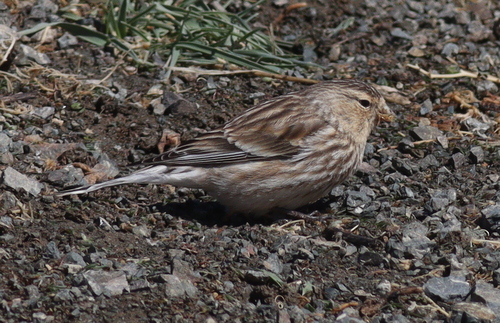
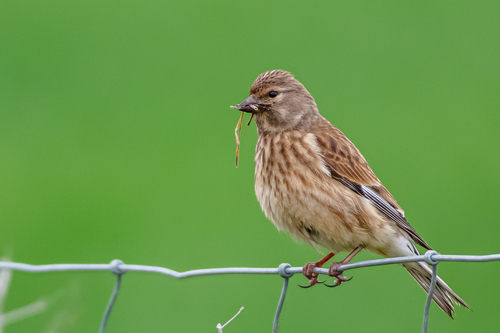
Twite (Linaria flavirostris) Twite
Common Linnet (Linaria cannabina) Common Linnet

Media

Loading…

In short

The Twite and Common Linnet are similar finches but can be distinguished by their bill shape and plumage details. Twites have a more slender, pointed bill and lack the reddish hues found in male Linnets. Both species have similar habitats and behaviors, making these subtle differences crucial for identification.

Identification tips

  1. Bill Shape: Twite has a slender, pointed bill; Linnet's bill is more conical. 2. Male Plumage: Look for the red on the breast and forehead of male Linnets, absent in Twites. 3. Listen: Twite's call is a simple 'twit', whereas Linnet's song is more varied. 4. Seasonal Variation: Be cautious in winter when both species are in non-breeding plumage and females/juveniles can look similar.

Size

Both species are similar in size, typical of small finches.

Plumage

Twites generally have a more uniform brown plumage with streaking and lack the red breast and forehead seen in male Common Linnets. Female and juvenile Linnets can appear more similar to Twites but often have a warmer tone.

Behaviour

Both species exhibit similar behaviors, such as feeding on seeds and forming flocks outside the breeding season.

Habitat

Twites and Common Linnets can be found in similar open habitats, such as moorlands and grasslands, often overlapping in range.

Voice

Twites have a distinctive 'twit' call, while Linnets have a more varied and musical song. However, vocalizations can be challenging to differentiate without experience.

Submit a better description

Use the same sections as the comparison. Your text is published immediately.

The Twite and Common Linnet are similar finches but can be distinguished by their bill shape and plumage details. Twites have a more slender, pointed bill and lack the reddish hues found in male Linnets. Both species have similar habitats and behaviors, making these subtle differences crucial for identification.

  1. Bill Shape: Twite has a slender, pointed bill; Linnet's bill is more conical. 2. Male Plumage: Look for the red on the breast and forehead of male Linnets, absent in Twites. 3. Listen: Twite's call is a simple 'twit', whereas Linnet's song is more varied. 4. Seasonal Variation: Be cautious in winter when both species are in non-breeding plumage and females/juveniles can look similar.

Both species are similar in size, typical of small finches.

Twites generally have a more uniform brown plumage with streaking and lack the red breast and forehead seen in male Common Linnets. Female and juvenile Linnets can appear more similar to Twites but often have a warmer tone.

Both species exhibit similar behaviors, such as feeding on seeds and forming flocks outside the breeding season.

Twites and Common Linnets can be found in similar open habitats, such as moorlands and grasslands, often overlapping in range.

Twites have a distinctive 'twit' call, while Linnets have a more varied and musical song. However, vocalizations can be challenging to differentiate without experience.

Discard your changes?

You have unsaved edits. If you leave now, those changes will be lost.

Twite · Common Linnet · My Tricky Birds