Birdr

Wandering Tattler vs Willet

Tringa incana versus Tringa semipalmata

Play a quiz with Wandering Tattler and Willet
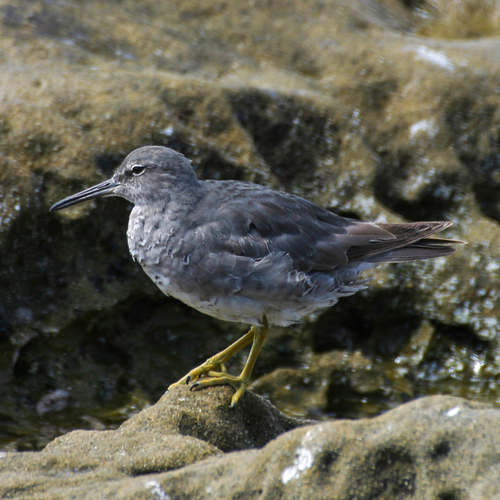
Wandering Tattler (Tringa incana) Wandering Tattler
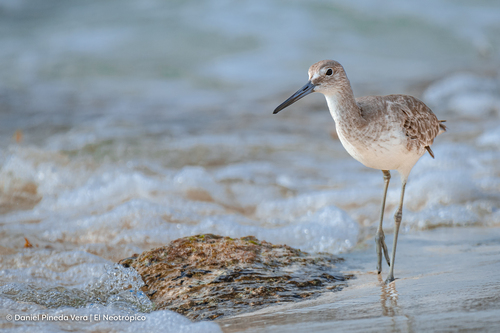
Willet (Tringa semipalmata) Willet

Media

Loading…

In short

The Wandering Tattler and Willet are both medium-sized shorebirds, but the Willet is generally larger and more robust. Key differences include the Wandering Tattler's uniform gray plumage and the Willet's distinctive wing pattern visible in flight. Both species can be found in coastal habitats, but their vocalizations and behaviors differ significantly.

Identification tips

  1. Look for the Willet's bold black-and-white wing pattern in flight, absent in the Wandering Tattler. 2. Note the size difference: Willets are larger and bulkier. 3. Observe habitat preference: Wandering Tattlers are often on rocky coastlines, while Willets are found in tidal and marshy areas. 4. Listen for vocal differences: the Willet's 'pill-will-willet' call is distinctive. 5. Consider behavior: Wandering Tattlers are more solitary and secretive.

Size

The Willet is larger and bulkier than the Wandering Tattler, with a more robust build.

Plumage

The Wandering Tattler has a uniform gray plumage with faint barring on the underparts, while the Willet displays a striking black-and-white wing pattern in flight, which is absent in the Tattler.

Behaviour

Wandering Tattlers are often solitary and secretive, especially during the breeding season, while Willets are more likely to be seen in pairs or small groups and are less secretive.

Habitat

Wandering Tattlers prefer rocky coastlines and riverine habitats, often in montane regions, whereas Willets are more commonly found in tidal mudflats, sandy beaches, and saltmarshes.

Voice

The Wandering Tattler is known for its high-pitched, rapid calls, while the Willet's call is a distinctive 'pill-will-willet' that is shrill and repetitive.

Submit a better description

Use the same sections as the comparison. Your text is published immediately.

The Wandering Tattler and Willet are both medium-sized shorebirds, but the Willet is generally larger and more robust. Key differences include the Wandering Tattler's uniform gray plumage and the Willet's distinctive wing pattern visible in flight. Both species can be found in coastal habitats, but their vocalizations and behaviors differ significantly.

  1. Look for the Willet's bold black-and-white wing pattern in flight, absent in the Wandering Tattler. 2. Note the size difference: Willets are larger and bulkier. 3. Observe habitat preference: Wandering Tattlers are often on rocky coastlines, while Willets are found in tidal and marshy areas. 4. Listen for vocal differences: the Willet's 'pill-will-willet' call is distinctive. 5. Consider behavior: Wandering Tattlers are more solitary and secretive.

The Willet is larger and bulkier than the Wandering Tattler, with a more robust build.

The Wandering Tattler has a uniform gray plumage with faint barring on the underparts, while the Willet displays a striking black-and-white wing pattern in flight, which is absent in the Tattler.

Wandering Tattlers are often solitary and secretive, especially during the breeding season, while Willets are more likely to be seen in pairs or small groups and are less secretive.

Wandering Tattlers prefer rocky coastlines and riverine habitats, often in montane regions, whereas Willets are more commonly found in tidal mudflats, sandy beaches, and saltmarshes.

The Wandering Tattler is known for its high-pitched, rapid calls, while the Willet's call is a distinctive 'pill-will-willet' that is shrill and repetitive.

Discard your changes?

You have unsaved edits. If you leave now, those changes will be lost.

Wandering Tattler · Willet · My Tricky Birds