Birdr

Watercock vs Ruddy-breasted Crake

Gallicrex cinerea versus Zapornia fusca

Play a quiz with Watercock and Ruddy-breasted Crake
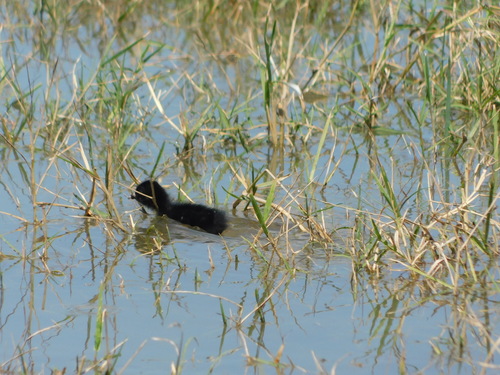
Watercock (Gallicrex cinerea) Watercock
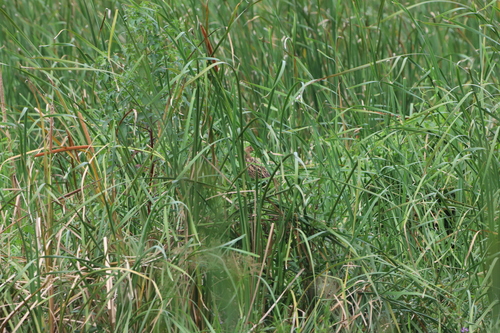
Ruddy-breasted Crake (Zapornia fusca) Ruddy-breasted Crake

Media

Loading…

In short

The Watercock and Ruddy-breasted Crake are both members of the rail family, but they differ significantly in size and plumage. The Watercock is larger and has a distinctive breeding plumage with a red bill and frontal shield, while the Ruddy-breasted Crake is smaller with a more uniform rufous-brown coloration.

Identification tips

  1. Size: Look for the larger size of the Watercock. 2. Bill and Frontal Shield: In breeding season, the Watercock's red bill and frontal shield are distinctive. 3. Plumage: The Ruddy-breasted Crake's uniform rufous-brown plumage contrasts with the Watercock's more varied breeding colors. 4. Habitat: Note the habitat; Watercocks may be in more open areas. 5. Calls: Listen for the Watercock's loud, booming call compared to the Ruddy-breasted Crake's softer notes.

Size

The Watercock is notably larger and bulkier than the Ruddy-breasted Crake.

Plumage

In breeding plumage, the male Watercock has a striking red bill and frontal shield, while the Ruddy-breasted Crake has a consistent rufous-brown plumage without such contrasting features.

Behaviour

Both species are secretive and often found in dense vegetation, but the Watercock may be seen in more open areas during breeding season.

Habitat

Both species inhabit wetlands, but the Watercock can also be found in more open marshes and rice fields, whereas the Ruddy-breasted Crake prefers dense, reedy areas.

Voice

The calls of these species differ, with the Watercock producing a loud, booming call, while the Ruddy-breasted Crake has a softer, more repetitive series of notes.

Submit a better description

Use the same sections as the comparison. Your text is published immediately.

The Watercock and Ruddy-breasted Crake are both members of the rail family, but they differ significantly in size and plumage. The Watercock is larger and has a distinctive breeding plumage with a red bill and frontal shield, while the Ruddy-breasted Crake is smaller with a more uniform rufous-brown coloration.

  1. Size: Look for the larger size of the Watercock. 2. Bill and Frontal Shield: In breeding season, the Watercock's red bill and frontal shield are distinctive. 3. Plumage: The Ruddy-breasted Crake's uniform rufous-brown plumage contrasts with the Watercock's more varied breeding colors. 4. Habitat: Note the habitat; Watercocks may be in more open areas. 5. Calls: Listen for the Watercock's loud, booming call compared to the Ruddy-breasted Crake's softer notes.

The Watercock is notably larger and bulkier than the Ruddy-breasted Crake.

In breeding plumage, the male Watercock has a striking red bill and frontal shield, while the Ruddy-breasted Crake has a consistent rufous-brown plumage without such contrasting features.

Both species are secretive and often found in dense vegetation, but the Watercock may be seen in more open areas during breeding season.

Both species inhabit wetlands, but the Watercock can also be found in more open marshes and rice fields, whereas the Ruddy-breasted Crake prefers dense, reedy areas.

The calls of these species differ, with the Watercock producing a loud, booming call, while the Ruddy-breasted Crake has a softer, more repetitive series of notes.

Discard your changes?

You have unsaved edits. If you leave now, those changes will be lost.

Watercock · Ruddy-breasted Crake · My Tricky Birds