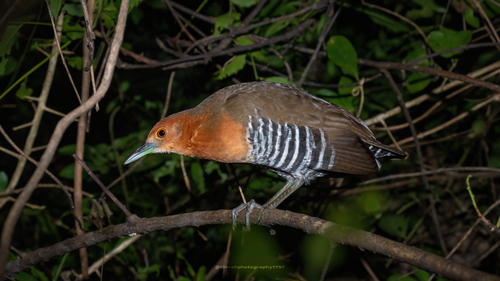
Watercock vs Slaty-legged Crake
Gallicrex cinerea versus Rallina eurizonoides
Play a quiz with Watercock and Slaty-legged Crake
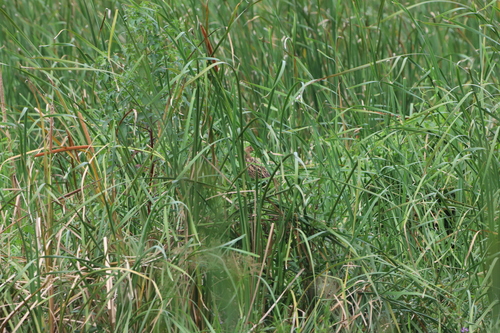
Watercock
Slaty-legged Crake
In short
The Watercock and Slaty-legged Crake are both members of the rail family, but they can be distinguished by size, plumage, and behavior. The Watercock is larger and more robust, while the Slaty-legged Crake is smaller and more secretive. Observing their habitat preferences and behaviors can also aid in identification.
Identification tips
- Size: Watercock is larger and more robust.
- Plumage: Look for the Watercock's black body and red frontal shield in breeding males; Slaty-legged Crake has chestnut upperparts and slaty-grey legs.
- Behavior: Watercock is more likely to be seen in open areas; Slaty-legged Crake is secretive and prefers dense cover.
- Habitat: Watercock in open wetlands; Slaty-legged Crake in dense forest undergrowth.
- Vocalization: Listen for the Watercock's booming call versus the softer calls of the Slaty-legged Crake.
Size
The Watercock is noticeably larger and bulkier compared to the smaller, more slender Slaty-legged Crake.
Plumage
The Watercock, especially the male, has a striking breeding plumage with a black body and a red frontal shield, whereas the Slaty-legged Crake has a more subdued appearance with chestnut upperparts and a slaty-grey belly. The Slaty-legged Crake's legs are notably slaty-grey, which is a key distinguishing feature.
Behaviour
Watercocks are more likely to be seen in open wetlands, often walking in the open, while Slaty-legged Crakes are secretive and prefer dense undergrowth, making them harder to spot.
Habitat
Watercocks are typically found in open wetlands and rice paddies, whereas Slaty-legged Crakes prefer dense forest undergrowth and are often near water but not in open areas.
Voice
The Watercock has a distinctive booming call, especially during the breeding season, while the Slaty-legged Crake's calls are softer and less conspicuous.