Birdr

Waved Woodpecker vs Rufous-headed Woodpecker

Celeus undatus versus Celeus spectabilis

Play a quiz with Waved Woodpecker and Rufous-headed Woodpecker
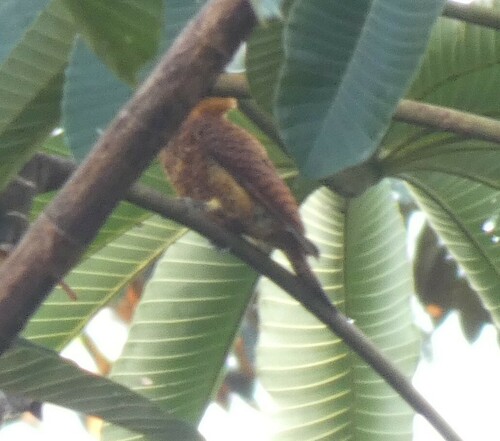
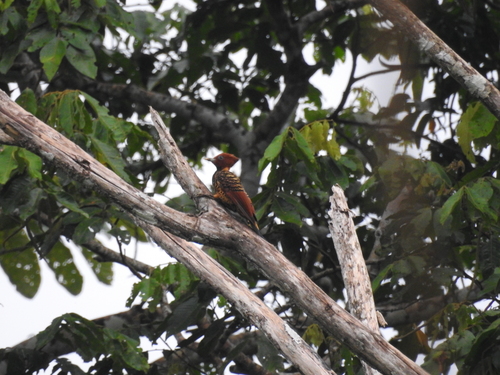
Waved Woodpecker (Celeus undatus) Waved Woodpecker
Rufous-headed Woodpecker (Celeus spectabilis) Rufous-headed Woodpecker

Media

Loading…

In short

The Waved Woodpecker and Rufous-headed Woodpecker can be distinguished by head color and plumage pattern. The Waved Woodpecker has a more uniform chestnut color, while the Rufous-headed Woodpecker features a bright rufous head with a patterned body. Both species inhabit similar forested environments, but their vocalizations and behavior can aid in identification.

Identification tips

  1. Look for the bright rufous head of the Rufous-headed Woodpecker. 2. Check for the waved pattern on the chestnut plumage of the Waved Woodpecker. 3. Note the habitat; Rufous-headed prefers dense bamboo stands. 4. Listen for the faint call of the Rufous-headed, especially in bamboo areas.

Size

Both species are similar in size, typical of Celeus woodpeckers.

Plumage

The Waved Woodpecker has a chestnut-colored plumage with a waved pattern, while the Rufous-headed Woodpecker is notable for its entirely bright rufous head and a body with black bars and spots on a creamy-buff background. The Rufous-headed also has un-patterned rufous flight feathers.

Behaviour

Both species are generally shy and can be difficult to observe. The Rufous-headed Woodpecker is particularly elusive due to its preference for dense bamboo habitats.

Habitat

Both species inhabit forested areas, but the Rufous-headed Woodpecker is often found in dense cane and bamboo stands, which can make it harder to spot.

Voice

The Rufous-headed Woodpecker has a faint 'hee-er-er-er-er-er' call and is often detected by gentle tapping on bamboo. The Waved Woodpecker's vocalizations are not well-documented in the provided sources.

Submit a better description

Use the same sections as the comparison. Your text is published immediately.

The Waved Woodpecker and Rufous-headed Woodpecker can be distinguished by head color and plumage pattern. The Waved Woodpecker has a more uniform chestnut color, while the Rufous-headed Woodpecker features a bright rufous head with a patterned body. Both species inhabit similar forested environments, but their vocalizations and behavior can aid in identification.

  1. Look for the bright rufous head of the Rufous-headed Woodpecker. 2. Check for the waved pattern on the chestnut plumage of the Waved Woodpecker. 3. Note the habitat; Rufous-headed prefers dense bamboo stands. 4. Listen for the faint call of the Rufous-headed, especially in bamboo areas.

Both species are similar in size, typical of Celeus woodpeckers.

The Waved Woodpecker has a chestnut-colored plumage with a waved pattern, while the Rufous-headed Woodpecker is notable for its entirely bright rufous head and a body with black bars and spots on a creamy-buff background. The Rufous-headed also has un-patterned rufous flight feathers.

Both species are generally shy and can be difficult to observe. The Rufous-headed Woodpecker is particularly elusive due to its preference for dense bamboo habitats.

Both species inhabit forested areas, but the Rufous-headed Woodpecker is often found in dense cane and bamboo stands, which can make it harder to spot.

The Rufous-headed Woodpecker has a faint 'hee-er-er-er-er-er' call and is often detected by gentle tapping on bamboo. The Waved Woodpecker's vocalizations are not well-documented in the provided sources.

Discard your changes?

You have unsaved edits. If you leave now, those changes will be lost.

Waved Woodpecker · Rufous-headed Woodpecker · My Tricky Birds