Birdr

West African Seedeater vs Brown-rumped Bunting

Crithagra canicapilla versus Emberiza affinis

Play a quiz with West African Seedeater and Brown-rumped Bunting
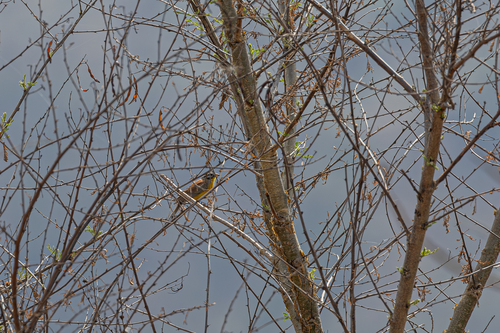
West African Seedeater (Crithagra canicapilla) West African Seedeater
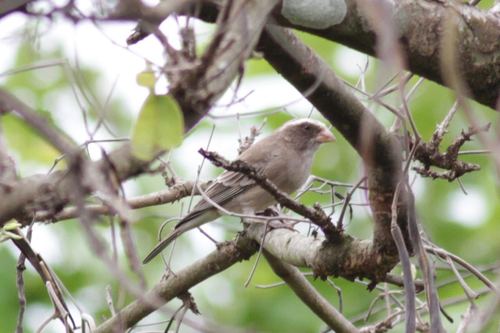
Brown-rumped Bunting (Emberiza affinis) Brown-rumped Bunting

Media

Loading…

In short

The West African Seedeater and the Brown-rumped Bunting can be distinguished by their overall plumage and habitat preferences. The Seedeater tends to have a more uniform appearance, while the Bunting shows a distinctive brown rump. Both species occupy overlapping ranges, but their habitat preferences and vocalizations differ.

Identification tips

  1. Look for the brown rump on the Brown-rumped Bunting, absent in the Seedeater. 2. Note the uniform greyish-brown plumage of the Seedeater. 3. Observe the habitat: Seedeaters in open areas, Buntings near woods. 4. Listen for song differences: Seedeater's song is more varied.

Size

Both species are small passerines, but the West African Seedeater is typically more compact compared to the slightly larger Brown-rumped Bunting.

Plumage

The West African Seedeater is generally more uniform in color with a greyish-brown tone, while the Brown-rumped Bunting has a distinctive brown rump and more contrasting plumage with streaking on the back.

Behaviour

Both species can be seen foraging on the ground, but the Seedeater is more likely to be found in flocks, while the Bunting often forages alone or in pairs.

Habitat

The West African Seedeater prefers open savannas and grasslands, while the Brown-rumped Bunting is more commonly found in wooded areas and forest edges.

Voice

The vocalizations of these species differ, with the Seedeater having a more continuous and varied song, while the Bunting's song is more repetitive and less varied.

Submit a better description

Use the same sections as the comparison. Your text is published immediately.

The West African Seedeater and the Brown-rumped Bunting can be distinguished by their overall plumage and habitat preferences. The Seedeater tends to have a more uniform appearance, while the Bunting shows a distinctive brown rump. Both species occupy overlapping ranges, but their habitat preferences and vocalizations differ.

  1. Look for the brown rump on the Brown-rumped Bunting, absent in the Seedeater. 2. Note the uniform greyish-brown plumage of the Seedeater. 3. Observe the habitat: Seedeaters in open areas, Buntings near woods. 4. Listen for song differences: Seedeater's song is more varied.

Both species are small passerines, but the West African Seedeater is typically more compact compared to the slightly larger Brown-rumped Bunting.

The West African Seedeater is generally more uniform in color with a greyish-brown tone, while the Brown-rumped Bunting has a distinctive brown rump and more contrasting plumage with streaking on the back.

Both species can be seen foraging on the ground, but the Seedeater is more likely to be found in flocks, while the Bunting often forages alone or in pairs.

The West African Seedeater prefers open savannas and grasslands, while the Brown-rumped Bunting is more commonly found in wooded areas and forest edges.

The vocalizations of these species differ, with the Seedeater having a more continuous and varied song, while the Bunting's song is more repetitive and less varied.

Discard your changes?

You have unsaved edits. If you leave now, those changes will be lost.

West African Seedeater · Brown-rumped Bunting · My Tricky Birds