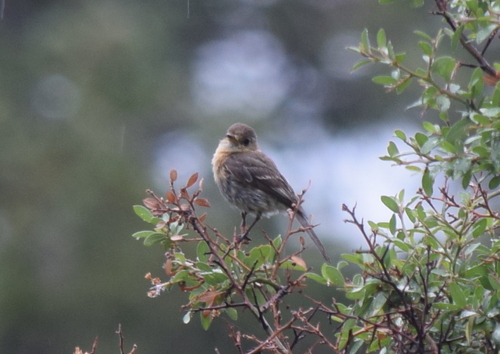
Western Flycatcher vs Buff-breasted Flycatcher
Empidonax difficilis versus Empidonax fulvifrons
Play a quiz with Western Flycatcher and Buff-breasted Flycatcher
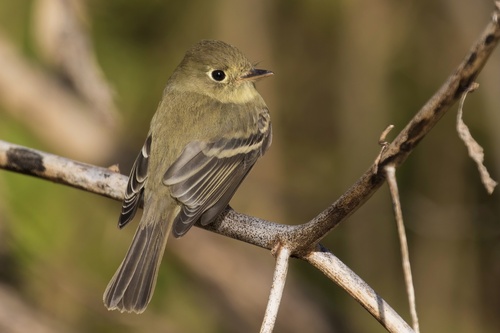
Western Flycatcher
Buff-breasted Flycatcher
In short
Western Flycatcher and Buff-breasted Flycatcher can be distinguished by habitat preference and plumage details. Western Flycatchers are found in cooler mountain ranges, while Buff-breasted Flycatchers prefer open pine-oak woodlands. Look for subtle differences in plumage and behavior to tell them apart.
Identification tips
- Habitat: Western Flycatchers in cooler mountain ranges; Buff-breasted in open pine-oak woodlands.
- Plumage: Look for buffy breast and distinct eye-ring in Buff-breasted.
- Behavior: Observe foraging behavior and openness of habitat.
- Vocalization: Use with caution; not always reliable.
Size
Both species are small flycatchers with similar size, typical of the Empidonax genus.
Plumage
Western Flycatchers have a more olive-green tone with a slightly darker head and a less distinct eye-ring. Buff-breasted Flycatchers show a warmer, buffy breast and a more pronounced eye-ring.
Behaviour
Western Flycatchers may exhibit more aggressive behavior, especially where their range overlaps with other flycatchers. Buff-breasted Flycatchers are often seen in open areas and may be more visible while foraging.
Habitat
Western Flycatchers inhabit cooler mountain ranges, often in mixed forests. Buff-breasted Flycatchers prefer open pine-oak woodlands and montane riparian forests, particularly in higher elevations.
Voice
Vocalizations can be unreliable for identification due to variation within Western Flycatchers. Buff-breasted Flycatcher calls are less documented but may differ subtly.
Western Flycatcher · Buff-breasted Flycatcher · My Tricky Birds