Birdr

Western Gerygone vs Grey Gerygone

Gerygone fusca versus Gerygone igata

Play a quiz with Western Gerygone and Grey Gerygone
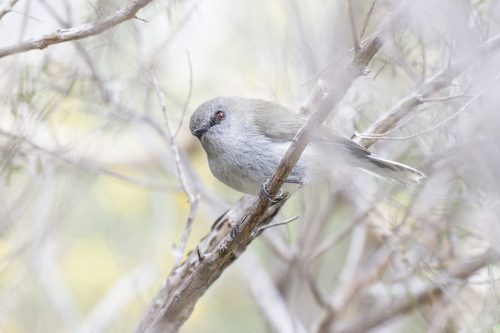
Western Gerygone (Gerygone fusca) Western Gerygone
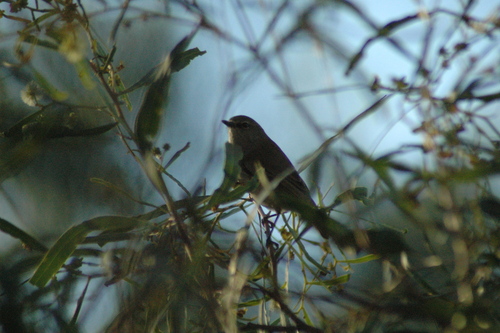
Grey Gerygone (Gerygone igata) Grey Gerygone

Media

Loading…

In short

The Western Gerygone (Gerygone fusca) and Grey Gerygone (Gerygone igata) are small, similar-looking birds from the same family, but they can be distinguished by subtle differences in plumage and behavior. Western Gerygone is generally found in Australia, while the Grey Gerygone is native to New Zealand, which can help in identification based on location.

Identification tips

  1. Location: Western Gerygone in Australia, Grey Gerygone in New Zealand. 2. Plumage: Look for olive-brown tones in Western Gerygone versus grey in Grey Gerygone. 3. Song: Listen for the more complex song of the Western Gerygone. 4. Supercilium: Check for a faint supercilium in Western Gerygone.

Size

Both species are small and similar in size, typical of the Gerygone genus.

Plumage

Western Gerygone tends to have a more olive-brown upperpart with a paler underpart, while the Grey Gerygone has a more uniform grey appearance. The Western Gerygone may show a faint supercilium, which is less pronounced in the Grey Gerygone.

Behaviour

Both species exhibit similar foraging behavior, typically seen flitting through foliage. However, the Western Gerygone might be more often observed in drier habitats compared to the Grey Gerygone.

Habitat

Western Gerygone is typically found in a variety of habitats including woodlands and shrublands in Australia, while the Grey Gerygone is more common in forests and gardens in New Zealand.

Voice

Western Gerygone has a more complex and varied song compared to the simpler, repetitive song of the Grey Gerygone. Listening for these differences can be helpful in distinguishing them.

Submit a better description

Use the same sections as the comparison. Your text is published immediately.

The Western Gerygone (Gerygone fusca) and Grey Gerygone (Gerygone igata) are small, similar-looking birds from the same family, but they can be distinguished by subtle differences in plumage and behavior. Western Gerygone is generally found in Australia, while the Grey Gerygone is native to New Zealand, which can help in identification based on location.

  1. Location: Western Gerygone in Australia, Grey Gerygone in New Zealand. 2. Plumage: Look for olive-brown tones in Western Gerygone versus grey in Grey Gerygone. 3. Song: Listen for the more complex song of the Western Gerygone. 4. Supercilium: Check for a faint supercilium in Western Gerygone.

Both species are small and similar in size, typical of the Gerygone genus.

Western Gerygone tends to have a more olive-brown upperpart with a paler underpart, while the Grey Gerygone has a more uniform grey appearance. The Western Gerygone may show a faint supercilium, which is less pronounced in the Grey Gerygone.

Both species exhibit similar foraging behavior, typically seen flitting through foliage. However, the Western Gerygone might be more often observed in drier habitats compared to the Grey Gerygone.

Western Gerygone is typically found in a variety of habitats including woodlands and shrublands in Australia, while the Grey Gerygone is more common in forests and gardens in New Zealand.

Western Gerygone has a more complex and varied song compared to the simpler, repetitive song of the Grey Gerygone. Listening for these differences can be helpful in distinguishing them.

Discard your changes?

You have unsaved edits. If you leave now, those changes will be lost.

Western Gerygone · Grey Gerygone · My Tricky Birds