Birdr

Western Grebe vs Rose-throated Becard

Aechmophorus occidentalis versus Pachyramphus aglaiae

Play a quiz with Western Grebe and Rose-throated Becard
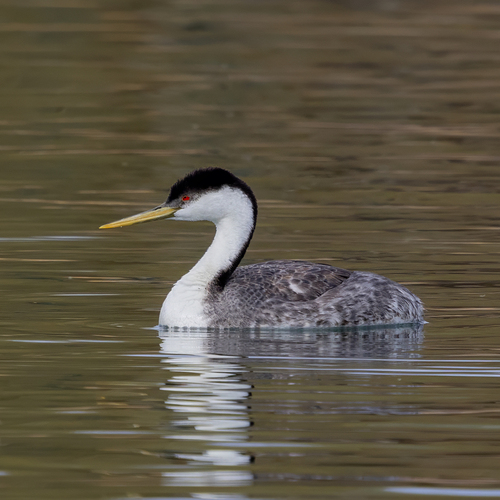
Western Grebe (Aechmophorus occidentalis) Western Grebe
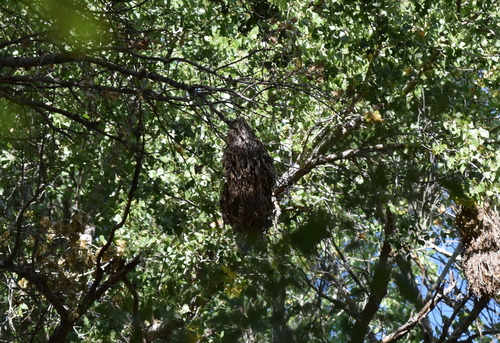
Rose-throated Becard (Pachyramphus aglaiae) Rose-throated Becard

Media

Loading…

In short

The Western Grebe and Rose-throated Becard are easily distinguished by habitat and structure. The Western Grebe is a waterbird with a long neck and slender body, while the Rose-throated Becard is a small passerine found in wooded areas. These species do not overlap in appearance or behavior.

Identification tips

1. Location: Western Grebes are found on water bodies; Rose-throated Becards are in wooded areas. 2. Structure: Look for the long neck and body of the Western Grebe versus the small, compact shape of the Rose-throated Becard. 3. Plumage: Note the black and white contrast in Western Grebes and the rose throat in male Rose-throated Becards. 4. Behavior: Observe the Western Grebe's aquatic courtship versus the Becard's tree-based foraging.

Size

The Western Grebe is significantly larger, with a long neck and body suited for aquatic environments, whereas the Rose-throated Becard is a small, compact bird typical of passerines.

Plumage

Western Grebes are predominantly black and white with a striking dark cap and long neck. Rose-throated Becards have a more varied plumage, with males showing a rose-colored throat and females being more muted in color.

Behaviour

Western Grebes are known for their elaborate courtship dances on water, while Rose-throated Becards engage in foliage-sallying and fruit-plucking behaviors in trees.

Habitat

Western Grebes are found on lakes and large bodies of water, whereas Rose-throated Becards inhabit wooded areas, often near cottonwoods or in open edge habitats.

Voice

Western Grebes have a series of trilling calls, while Rose-throated Becards produce a variety of whistles and calls. These vocalizations are distinct and suited to their respective environments.

Submit a better description

Use the same sections as the comparison. Your text is published immediately.

The Western Grebe and Rose-throated Becard are easily distinguished by habitat and structure. The Western Grebe is a waterbird with a long neck and slender body, while the Rose-throated Becard is a small passerine found in wooded areas. These species do not overlap in appearance or behavior.

1. Location: Western Grebes are found on water bodies; Rose-throated Becards are in wooded areas. 2. Structure: Look for the long neck and body of the Western Grebe versus the small, compact shape of the Rose-throated Becard. 3. Plumage: Note the black and white contrast in Western Grebes and the rose throat in male Rose-throated Becards. 4. Behavior: Observe the Western Grebe's aquatic courtship versus the Becard's tree-based foraging.

The Western Grebe is significantly larger, with a long neck and body suited for aquatic environments, whereas the Rose-throated Becard is a small, compact bird typical of passerines.

Western Grebes are predominantly black and white with a striking dark cap and long neck. Rose-throated Becards have a more varied plumage, with males showing a rose-colored throat and females being more muted in color.

Western Grebes are known for their elaborate courtship dances on water, while Rose-throated Becards engage in foliage-sallying and fruit-plucking behaviors in trees.

Western Grebes are found on lakes and large bodies of water, whereas Rose-throated Becards inhabit wooded areas, often near cottonwoods or in open edge habitats.

Western Grebes have a series of trilling calls, while Rose-throated Becards produce a variety of whistles and calls. These vocalizations are distinct and suited to their respective environments.

Discard your changes?

You have unsaved edits. If you leave now, those changes will be lost.

Western Grebe · Rose-throated Becard · My Tricky Birds