Birdr

Western Gull vs Varied Bunting

Larus occidentalis versus Passerina versicolor

Play a quiz with Western Gull and Varied Bunting
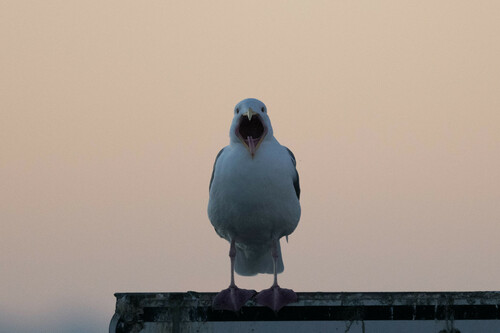
Western Gull (Larus occidentalis) Western Gull
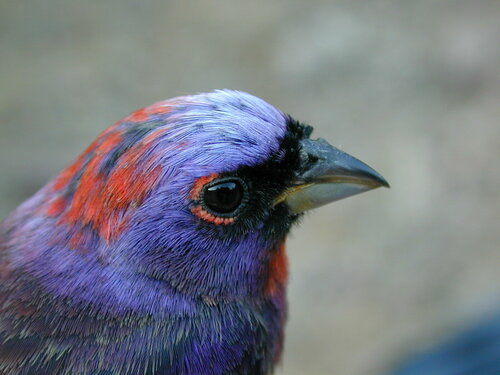
Varied Bunting (Passerina versicolor) Varied Bunting

Media

Loading…

In short

The Western Gull and Varied Bunting are unlikely to be confused in the field due to their vastly different habitats and appearances. The Western Gull is a large seabird commonly found along the Pacific coast, while the Varied Bunting is a small, colorful songbird of arid regions in the southwestern U.S. and Mexico.

Identification tips

Size

The Western Gull is significantly larger, with a robust build typical of gulls, whereas the Varied Bunting is small and finch-like.

Plumage

Western Gulls have a white head and body with gray wings and a yellow bill. In contrast, male Varied Buntings are strikingly colorful with a mix of purple, blue, and red plumage, while females are more subdued in brown tones.

Behaviour

Western Gulls are often seen in large groups near water, scavenging and foraging. Varied Buntings are more solitary or found in pairs, often perched in shrubs or low trees.

Habitat

Western Gulls inhabit coastal areas, islands, and piers, while Varied Buntings prefer arid thorn brush, thorn forests, and scrubby woodlands, avoiding human residential areas.

Voice

Western Gulls have a typical gull call, which is loud and harsh. Varied Buntings have a more melodic song, with larger syllable repertoires that vary with rainfall.

Submit a better description

Use the same sections as the comparison. Your text is published immediately.

The Western Gull and Varied Bunting are unlikely to be confused in the field due to their vastly different habitats and appearances. The Western Gull is a large seabird commonly found along the Pacific coast, while the Varied Bunting is a small, colorful songbird of arid regions in the southwestern U.S. and Mexico.

  • Location: Western Gulls are coastal; Varied Buntings are inland in arid regions.
  • Size and Shape: Western Gulls are large and bulky; Varied Buntings are small and finch-like.
  • Plumage: Look for the Western Gull's gray wings and white body versus the Varied Bunting's colorful plumage.
  • Behavior: Western Gulls are often in large groups; Varied Buntings are more solitary.

The Western Gull is significantly larger, with a robust build typical of gulls, whereas the Varied Bunting is small and finch-like.

Western Gulls have a white head and body with gray wings and a yellow bill. In contrast, male Varied Buntings are strikingly colorful with a mix of purple, blue, and red plumage, while females are more subdued in brown tones.

Western Gulls are often seen in large groups near water, scavenging and foraging. Varied Buntings are more solitary or found in pairs, often perched in shrubs or low trees.

Western Gulls inhabit coastal areas, islands, and piers, while Varied Buntings prefer arid thorn brush, thorn forests, and scrubby woodlands, avoiding human residential areas.

Western Gulls have a typical gull call, which is loud and harsh. Varied Buntings have a more melodic song, with larger syllable repertoires that vary with rainfall.

Discard your changes?

You have unsaved edits. If you leave now, those changes will be lost.

Western Gull · Varied Bunting · My Tricky Birds