Birdr

White-backed Woodpecker vs Great Spotted Woodpecker

Dendrocopos leucotos versus Dendrocopos major

Play a quiz with White-backed Woodpecker and Great Spotted Woodpecker

White-backed Woodpecker (Dendrocopos leucotos) White-backed Woodpecker
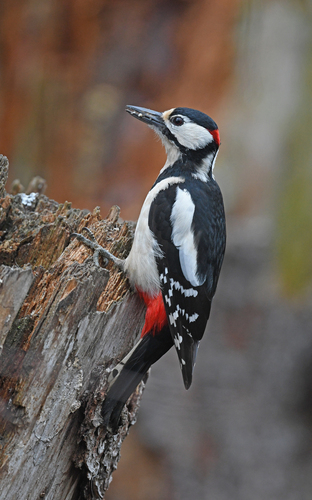
Great Spotted Woodpecker (Dendrocopos major) Great Spotted Woodpecker

Media

Loading…

In short

The White-backed Woodpecker and Great Spotted Woodpecker can be distinguished by their back patterns and size. The White-backed has a distinctive white back with black bars, while the Great Spotted has a more uniform black back with white shoulder patches. Both species have similar calls, but their drumming patterns differ.

Identification tips

  1. Check the back pattern: White-backed has a white back with black bars; Great Spotted has a black back with white shoulder patches. 2. Note the size: White-backed is slightly larger. 3. Listen for drumming: White-backed's drumming is slower and more deliberate. 4. Consider habitat: White-backed favors mature forests; Great Spotted is more versatile.

Size

The White-backed Woodpecker is slightly larger than the Great Spotted Woodpecker.

Plumage

The White-backed Woodpecker has a white back with black bars, whereas the Great Spotted Woodpecker has a black back with prominent white shoulder patches. Both species have a red undertail, but the Great Spotted also has a red nape in males.

Behaviour

Both species are adept at climbing and foraging on tree trunks, but the White-backed Woodpecker is more often found in mature forests with decaying wood.

Habitat

The White-backed Woodpecker prefers mature deciduous forests, often with dead or decaying trees. The Great Spotted Woodpecker is more adaptable, found in a variety of wooded habitats including parks and gardens.

Voice

Both species have similar calls, but the White-backed Woodpecker's drumming is slower and more deliberate compared to the rapid drumming of the Great Spotted Woodpecker.

Submit a better description

Use the same sections as the comparison. Your text is published immediately.

The White-backed Woodpecker and Great Spotted Woodpecker can be distinguished by their back patterns and size. The White-backed has a distinctive white back with black bars, while the Great Spotted has a more uniform black back with white shoulder patches. Both species have similar calls, but their drumming patterns differ.

  1. Check the back pattern: White-backed has a white back with black bars; Great Spotted has a black back with white shoulder patches. 2. Note the size: White-backed is slightly larger. 3. Listen for drumming: White-backed's drumming is slower and more deliberate. 4. Consider habitat: White-backed favors mature forests; Great Spotted is more versatile.

The White-backed Woodpecker is slightly larger than the Great Spotted Woodpecker.

The White-backed Woodpecker has a white back with black bars, whereas the Great Spotted Woodpecker has a black back with prominent white shoulder patches. Both species have a red undertail, but the Great Spotted also has a red nape in males.

Both species are adept at climbing and foraging on tree trunks, but the White-backed Woodpecker is more often found in mature forests with decaying wood.

The White-backed Woodpecker prefers mature deciduous forests, often with dead or decaying trees. The Great Spotted Woodpecker is more adaptable, found in a variety of wooded habitats including parks and gardens.

Both species have similar calls, but the White-backed Woodpecker's drumming is slower and more deliberate compared to the rapid drumming of the Great Spotted Woodpecker.

Discard your changes?

You have unsaved edits. If you leave now, those changes will be lost.

White-backed Woodpecker · Great Spotted Woodpecker · My Tricky Birds