White-faced Whistling-Duck vs Bluethroat
Dendrocygna viduata versus Luscinia svecica
Play a quiz with White-faced Whistling-Duck and Bluethroat
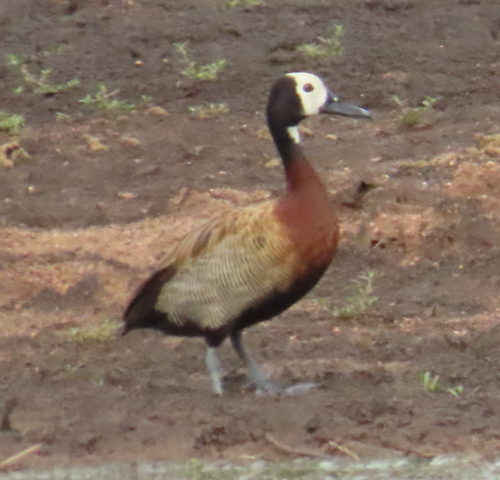
White-faced Whistling-Duck
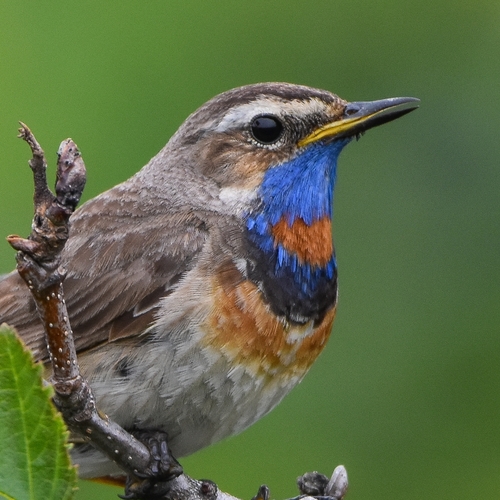
Bluethroat
In short
The White-faced Whistling-Duck and the Bluethroat are easily distinguished by their size and habitat preferences. The duck is a large waterfowl with a distinctive white face, while the Bluethroat is a small passerine with a striking blue throat patch. These species are not closely related and occupy different ecological niches.
Identification tips
- Check size and shape: Ducks are much larger and have a distinctive duck-like shape. 2. Look for habitat: Ducks are in open water, Bluethroats in dense vegetation. 3. Note plumage details: White-faced Whistling-Ducks have a white face; Bluethroats have a blue throat patch. 4. Listen for calls: Ducks whistle; Bluethroats sing melodiously.
Size
The White-faced Whistling-Duck is significantly larger, resembling other ducks, whereas the Bluethroat is a small songbird.
Plumage
The White-faced Whistling-Duck has a white face and dark body, while the Bluethroat features a bright blue throat with a central spot that varies by subspecies (red or white).
Behaviour
White-faced Whistling-Ducks are often seen in flocks and are associated with water, whereas Bluethroats are solitary or in pairs, often skulking in dense vegetation.
Habitat
White-faced Whistling-Ducks are found in wetlands and open water bodies, while Bluethroats prefer dense undergrowth in marshes or near water, often in more temperate regions.
Voice
The White-faced Whistling-Duck is known for its distinctive whistling calls, while the Bluethroat has a varied and melodious song, often delivered from a perch.