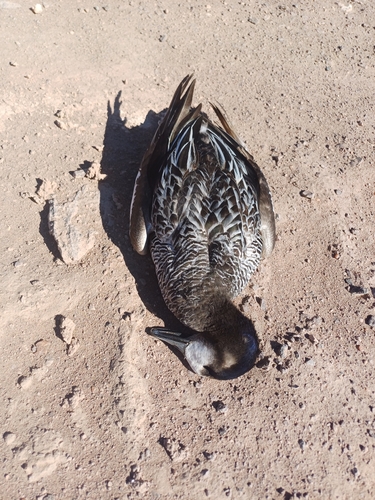
White-faced Whistling-Duck vs Chiloe Wigeon
Dendrocygna viduata versus Mareca sibilatrix
Play a quiz with White-faced Whistling-Duck and Chiloe Wigeon
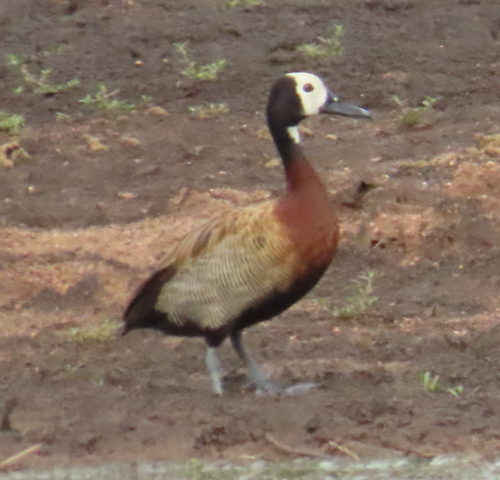
White-faced Whistling-Duck
Chiloe Wigeon
In short
The White-faced Whistling-Duck and the Chiloe Wigeon are both waterfowl but can be distinguished by their distinctive head patterns. The White-faced Whistling-Duck has a striking white face and throat, while the Chiloe Wigeon features a greenish-black cap and white cheeks. Both species are found in wetland habitats, but their vocalizations and behaviors offer additional clues for identification.
Identification tips
- Look for the white face and throat of the White-faced Whistling-Duck. 2. Note the greenish-black cap and white cheeks of the Chiloe Wigeon. 3. Observe flock behavior: White-faced Whistling-Ducks are often in large groups, while Chiloe Wigeons are in smaller groups. 4. Listen for the distinctive whistling of the White-faced Whistling-Duck, especially in flight.
Size
Both species are medium-sized ducks, but the Chiloe Wigeon is generally bulkier with a more robust body.
Plumage
The White-faced Whistling-Duck has a white face and throat with a rich chestnut body and black belly. In contrast, the Chiloe Wigeon displays a greenish-black cap, white cheeks, and a distinctive black and white pattern on the wings.
Behaviour
White-faced Whistling-Ducks are often seen in large flocks and are more likely to be found whistling in flight. Chiloe Wigeons are typically seen in pairs or small groups and are less vocal in flight.
Habitat
Both species inhabit wetlands, but the White-faced Whistling-Duck is more commonly found in open water bodies like lakes and ponds, while the Chiloe Wigeon prefers marshy areas and slow-moving rivers.
Voice
The White-faced Whistling-Duck is known for its distinctive whistling calls, often heard in flight. The Chiloe Wigeon, on the other hand, produces a softer, more subdued whistle.
White-faced Whistling-Duck · Chiloe Wigeon · My Tricky Birds