Birdr

White-faced Whistling-Duck vs Coscoroba Swan

Dendrocygna viduata versus Coscoroba coscoroba

Play a quiz with White-faced Whistling-Duck and Coscoroba Swan
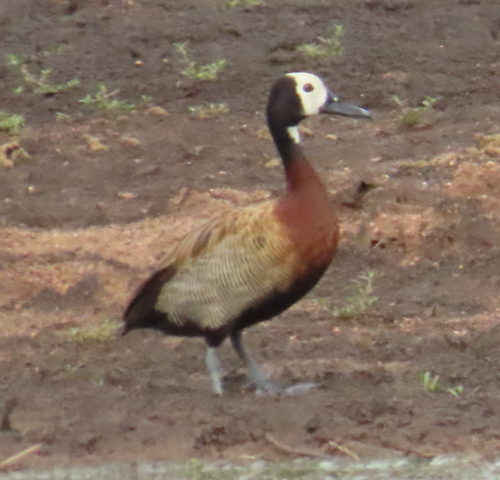
White-faced Whistling-Duck (Dendrocygna viduata) White-faced Whistling-Duck
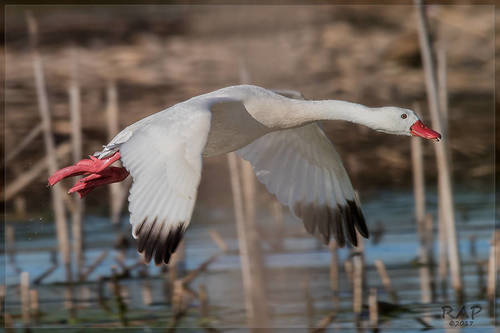
Coscoroba Swan (Coscoroba coscoroba) Coscoroba Swan

Media

Loading…

In short

The White-faced Whistling-Duck and Coscoroba Swan are both waterfowl but differ significantly in size and appearance. The White-faced Whistling-Duck has a distinctive white face and a smaller, more compact body, while the Coscoroba Swan is larger with an entirely white plumage and a bright red bill.

Identification tips

  1. Size and Shape: Look for the larger size and swan-like shape of the Coscoroba Swan. 2. Facial Markings: Note the white face of the White-faced Whistling-Duck, which contrasts with its darker head. 3. Plumage Color: The Coscoroba Swan is entirely white, while the White-faced Whistling-Duck has a mix of chestnut and black-and-white plumage. 4. Bill Color: The Coscoroba Swan has a bright red bill, unlike the darker bill of the White-faced Whistling-Duck. 5. Vocalization: Listen for the distinctive whistling of the White-faced Whistling-Duck.

Size

The Coscoroba Swan is significantly larger than the White-faced Whistling-Duck, resembling a small swan in size.

Plumage

The White-faced Whistling-Duck has a striking white face against a dark head, with a chestnut body and black-and-white flanks. In contrast, the Coscoroba Swan is entirely white with no contrasting facial markings.

Behaviour

White-faced Whistling-Ducks are often seen in flocks and are more likely to be found in mixed-species groups. Coscoroba Swans are typically seen in pairs or small family groups.

Habitat

Both species inhabit wetlands, but the Coscoroba Swan is more likely to be found in open water areas, while the White-faced Whistling-Duck can also be found in marshes and flooded grasslands.

Voice

The White-faced Whistling-Duck is known for its high-pitched whistling calls, whereas the Coscoroba Swan produces softer, more muted sounds.

Submit a better description

Use the same sections as the comparison. Your text is published immediately.

The White-faced Whistling-Duck and Coscoroba Swan are both waterfowl but differ significantly in size and appearance. The White-faced Whistling-Duck has a distinctive white face and a smaller, more compact body, while the Coscoroba Swan is larger with an entirely white plumage and a bright red bill.

  1. Size and Shape: Look for the larger size and swan-like shape of the Coscoroba Swan. 2. Facial Markings: Note the white face of the White-faced Whistling-Duck, which contrasts with its darker head. 3. Plumage Color: The Coscoroba Swan is entirely white, while the White-faced Whistling-Duck has a mix of chestnut and black-and-white plumage. 4. Bill Color: The Coscoroba Swan has a bright red bill, unlike the darker bill of the White-faced Whistling-Duck. 5. Vocalization: Listen for the distinctive whistling of the White-faced Whistling-Duck.

The Coscoroba Swan is significantly larger than the White-faced Whistling-Duck, resembling a small swan in size.

The White-faced Whistling-Duck has a striking white face against a dark head, with a chestnut body and black-and-white flanks. In contrast, the Coscoroba Swan is entirely white with no contrasting facial markings.

White-faced Whistling-Ducks are often seen in flocks and are more likely to be found in mixed-species groups. Coscoroba Swans are typically seen in pairs or small family groups.

Both species inhabit wetlands, but the Coscoroba Swan is more likely to be found in open water areas, while the White-faced Whistling-Duck can also be found in marshes and flooded grasslands.

The White-faced Whistling-Duck is known for its high-pitched whistling calls, whereas the Coscoroba Swan produces softer, more muted sounds.

Discard your changes?

You have unsaved edits. If you leave now, those changes will be lost.

White-faced Whistling-Duck · Coscoroba Swan · My Tricky Birds