Birdr

White-faced Whistling-Duck vs Moustached Warbler

Dendrocygna viduata versus Acrocephalus melanopogon

Play a quiz with White-faced Whistling-Duck and Moustached Warbler
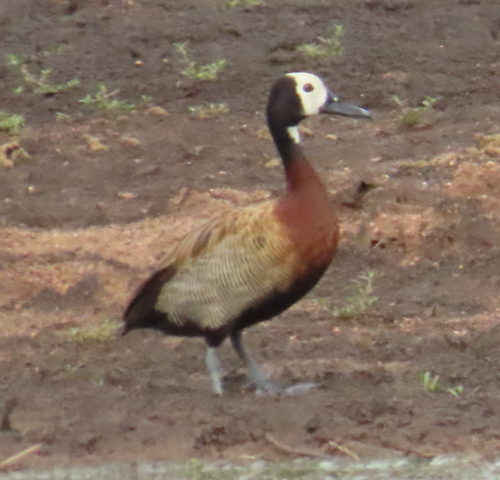
White-faced Whistling-Duck (Dendrocygna viduata) White-faced Whistling-Duck
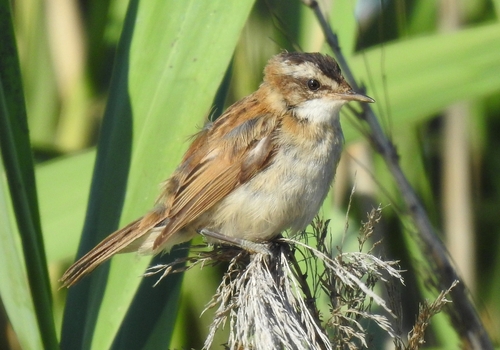
Moustached Warbler (Acrocephalus melanopogon) Moustached Warbler

Media

Loading…

In short

The White-faced Whistling-Duck and the Moustached Warbler are easily distinguished by their size and habitat preferences. The duck is a large waterfowl with a distinctive white face, while the warbler is a small, reed-dwelling songbird with a subtle facial pattern.

Identification tips

  1. Size and Shape: Look for the larger, duck-like shape of the White-faced Whistling-Duck compared to the small, slender Moustached Warbler. 2. Facial Pattern: Note the white face of the duck versus the subtle supercilium and moustache stripe of the warbler. 3. Habitat: Observe the environment; ducks are on open water, warblers in reeds. 4. Vocalization: Listen for the whistling of the duck versus the warbler's trills.

Size

The White-faced Whistling-Duck is significantly larger, about the size of a typical duck, whereas the Moustached Warbler is a small passerine, comparable to a sparrow.

Plumage

The White-faced Whistling-Duck has a striking white face, dark body, and chestnut flanks. In contrast, the Moustached Warbler has a brownish body with a subtle white supercilium and a dark moustache stripe.

Behaviour

White-faced Whistling-Ducks are often seen in large flocks on open water, while Moustached Warblers are solitary or in pairs, skulking in dense reeds.

Habitat

White-faced Whistling-Ducks inhabit freshwater wetlands and open water bodies, whereas Moustached Warblers are found in reed beds and marshy areas.

Voice

The White-faced Whistling-Duck is known for its distinctive whistling calls. The Moustached Warbler has a varied song with a mix of trills and whistles, typical of Acrocephalus warblers.

Submit a better description

Use the same sections as the comparison. Your text is published immediately.

The White-faced Whistling-Duck and the Moustached Warbler are easily distinguished by their size and habitat preferences. The duck is a large waterfowl with a distinctive white face, while the warbler is a small, reed-dwelling songbird with a subtle facial pattern.

  1. Size and Shape: Look for the larger, duck-like shape of the White-faced Whistling-Duck compared to the small, slender Moustached Warbler. 2. Facial Pattern: Note the white face of the duck versus the subtle supercilium and moustache stripe of the warbler. 3. Habitat: Observe the environment; ducks are on open water, warblers in reeds. 4. Vocalization: Listen for the whistling of the duck versus the warbler's trills.

The White-faced Whistling-Duck is significantly larger, about the size of a typical duck, whereas the Moustached Warbler is a small passerine, comparable to a sparrow.

The White-faced Whistling-Duck has a striking white face, dark body, and chestnut flanks. In contrast, the Moustached Warbler has a brownish body with a subtle white supercilium and a dark moustache stripe.

White-faced Whistling-Ducks are often seen in large flocks on open water, while Moustached Warblers are solitary or in pairs, skulking in dense reeds.

White-faced Whistling-Ducks inhabit freshwater wetlands and open water bodies, whereas Moustached Warblers are found in reed beds and marshy areas.

The White-faced Whistling-Duck is known for its distinctive whistling calls. The Moustached Warbler has a varied song with a mix of trills and whistles, typical of Acrocephalus warblers.

Discard your changes?

You have unsaved edits. If you leave now, those changes will be lost.

White-faced Whistling-Duck · Moustached Warbler · My Tricky Birds