Birdr

White-naped Brushfinch vs Flame-rumped Tanager

Atlapetes albinucha versus Ramphocelus flammigerus

Play a quiz with White-naped Brushfinch and Flame-rumped Tanager
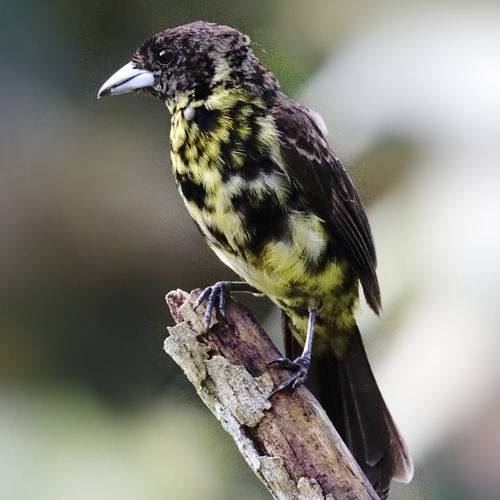
White-naped Brushfinch (Atlapetes albinucha) White-naped Brushfinch
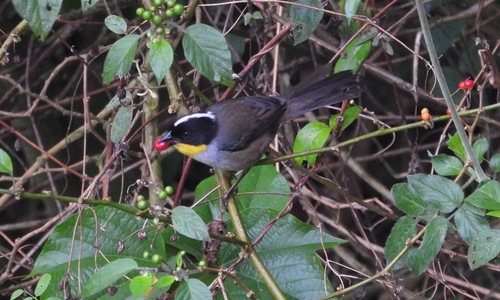
Flame-rumped Tanager (Ramphocelus flammigerus) Flame-rumped Tanager

Media

Loading…

In short

The White-naped Brushfinch and the Flame-rumped Tanager can be distinguished primarily by their plumage and habitat preferences. The brushfinch has a distinctive white nape and a more muted overall coloration, while the tanager is known for its vibrant rump coloration. Both species are of similar size, but they occupy different habitats, which can aid in identification.

Identification tips

Size

Both species are similar in size, typical of small to medium-sized passerines.

Plumage

The White-naped Brushfinch features a white nape and generally muted tones with a rufous cap, whereas the Flame-rumped Tanager displays a striking flame-colored rump in males and a lemon-rumped variation in some subspecies. The tanager's body is generally darker and more vibrant.

Behaviour

Both species are active and often seen foraging in dense vegetation, but the tanager may be more conspicuous due to its brighter coloration.

Habitat

The White-naped Brushfinch is typically found in montane forests and edges, while the Flame-rumped Tanager is more often associated with lowland and foothill forests and gardens.

Voice

Vocalizations differ, but specifics are not well-documented here. Generally, brushfinches have simpler calls compared to the more melodious tanagers.

Submit a better description

Use the same sections as the comparison. Your text is published immediately.

The White-naped Brushfinch and the Flame-rumped Tanager can be distinguished primarily by their plumage and habitat preferences. The brushfinch has a distinctive white nape and a more muted overall coloration, while the tanager is known for its vibrant rump coloration. Both species are of similar size, but they occupy different habitats, which can aid in identification.

  • Look for the white nape on the brushfinch versus the flame or lemon rump on the tanager.
  • Consider the habitat: montane for brushfinch, lowland for tanager.
  • Note the overall coloration: muted for brushfinch, vibrant for tanager.
  • Listen for vocal differences if possible, though this may require experience.

Both species are similar in size, typical of small to medium-sized passerines.

The White-naped Brushfinch features a white nape and generally muted tones with a rufous cap, whereas the Flame-rumped Tanager displays a striking flame-colored rump in males and a lemon-rumped variation in some subspecies. The tanager's body is generally darker and more vibrant.

Both species are active and often seen foraging in dense vegetation, but the tanager may be more conspicuous due to its brighter coloration.

The White-naped Brushfinch is typically found in montane forests and edges, while the Flame-rumped Tanager is more often associated with lowland and foothill forests and gardens.

Vocalizations differ, but specifics are not well-documented here. Generally, brushfinches have simpler calls compared to the more melodious tanagers.

Discard your changes?

You have unsaved edits. If you leave now, those changes will be lost.

White-naped Brushfinch · Flame-rumped Tanager · My Tricky Birds