Birdr

White-throated Antpitta vs Chestnut-throated Huet-huet

Grallaria albigula versus Pteroptochos castaneus

Play a quiz with White-throated Antpitta and Chestnut-throated Huet-huet
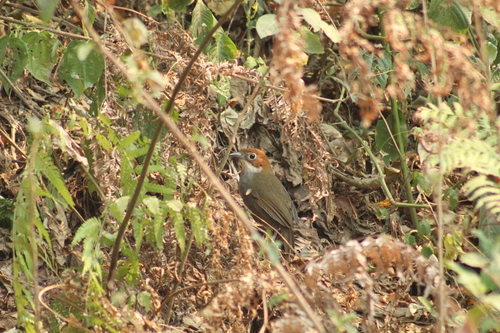
White-throated Antpitta (Grallaria albigula) White-throated Antpitta
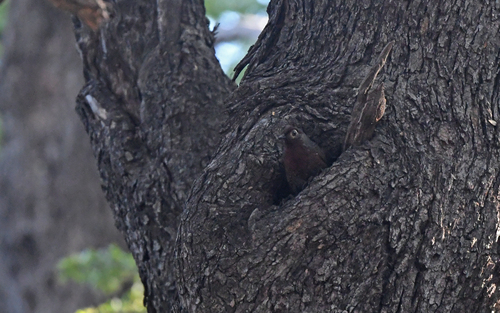
Chestnut-throated Huet-huet (Pteroptochos castaneus) Chestnut-throated Huet-huet

Media

Loading…

In short

The White-throated Antpitta and Chestnut-throated Huet-huet are distinct in both appearance and behavior. The Antpitta is elusive and difficult to see, while the Huet-huet is more terrestrial and vocal. Key differences include throat coloration and habitat preferences.

Identification tips

  1. Look for the white throat of the White-throated Antpitta versus the chestnut throat of the Huet-huet. 2. Note the Huet-huet's preference for terrestrial foraging and bamboo-rich habitats. 3. Listen for the Huet-huet's distinctive hooting song and 'put-put-put' call.

Size

The Chestnut-throated Huet-huet is generally larger and more robust than the White-throated Antpitta.

Plumage

The White-throated Antpitta has a distinctive white throat, while the Chestnut-throated Huet-huet features a chestnut throat and belly, with grayish-brown upperparts and a buffy wingbar.

Behaviour

The White-throated Antpitta is very elusive and difficult to observe, often remaining hidden. In contrast, the Chestnut-throated Huet-huet is highly terrestrial when foraging and more likely to be seen.

Habitat

The White-throated Antpitta's habitat requirements are unclear and possibly variable, while the Chestnut-throated Huet-huet prefers areas with large trees and bamboo stands.

Voice

The Chestnut-throated Huet-huet has a low, quickening hooting song and a distinctive 'put-put-put' alarm call, unlike the White-throated Antpitta, whose vocalizations are less documented.

Submit a better description

Use the same sections as the comparison. Your text is published immediately.

The White-throated Antpitta and Chestnut-throated Huet-huet are distinct in both appearance and behavior. The Antpitta is elusive and difficult to see, while the Huet-huet is more terrestrial and vocal. Key differences include throat coloration and habitat preferences.

  1. Look for the white throat of the White-throated Antpitta versus the chestnut throat of the Huet-huet. 2. Note the Huet-huet's preference for terrestrial foraging and bamboo-rich habitats. 3. Listen for the Huet-huet's distinctive hooting song and 'put-put-put' call.

The Chestnut-throated Huet-huet is generally larger and more robust than the White-throated Antpitta.

The White-throated Antpitta has a distinctive white throat, while the Chestnut-throated Huet-huet features a chestnut throat and belly, with grayish-brown upperparts and a buffy wingbar.

The White-throated Antpitta is very elusive and difficult to observe, often remaining hidden. In contrast, the Chestnut-throated Huet-huet is highly terrestrial when foraging and more likely to be seen.

The White-throated Antpitta's habitat requirements are unclear and possibly variable, while the Chestnut-throated Huet-huet prefers areas with large trees and bamboo stands.

The Chestnut-throated Huet-huet has a low, quickening hooting song and a distinctive 'put-put-put' alarm call, unlike the White-throated Antpitta, whose vocalizations are less documented.

Discard your changes?

You have unsaved edits. If you leave now, those changes will be lost.

White-throated Antpitta · Chestnut-throated Huet-huet · My Tricky Birds