
Birdr

White-throated Dipper vs Common Starling

Cinclus cinclus versus Sturnus vulgaris

Play a quiz with White-throated Dipper and Common Starling
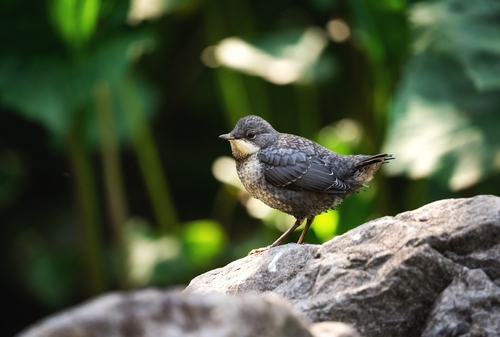
White-throated Dipper (Cinclus cinclus) White-throated Dipper
Common Starling (Sturnus vulgaris) Common Starling

Media

Loading…

In short

The White-throated Dipper and Common Starling are distinct in appearance and behavior. The dipper is a plump, aquatic bird with a white throat and chest, while the starling is a sleek, iridescent bird often seen in flocks. Both species have different habitats and feeding behaviors, making them relatively easy to distinguish in the field.

Identification tips

Size

The White-throated Dipper is generally smaller and more compact than the Common Starling, which has a more elongated body and longer tail.

Plumage

The dipper has a distinctive white throat and chest contrasting with its dark body, while the starling is known for its dark, iridescent plumage with speckles, especially noticeable in good light.

Behaviour

Dippers are often seen bobbing on rocks in fast-flowing streams, diving underwater to feed. Starlings are more terrestrial, often seen foraging in open fields or urban areas, and are highly social, often forming large flocks.

Habitat

White-throated Dippers are typically found along fast-flowing streams and rivers. Common Starlings are more adaptable, found in a variety of habitats including urban areas, farmlands, and open countryside.

Voice

The dipper's song is a series of high-pitched, metallic notes, often heard near streams. The starling is a versatile mimic with a varied repertoire, including whistles, clicks, and imitations of other species.

Submit a better description

Use the same sections as the comparison. Your text is published immediately.

The White-throated Dipper and Common Starling are distinct in appearance and behavior. The dipper is a plump, aquatic bird with a white throat and chest, while the starling is a sleek, iridescent bird often seen in flocks. Both species have different habitats and feeding behaviors, making them relatively easy to distinguish in the field.

  • Look for the white throat and chest of the dipper when near water.
  • Note the iridescent plumage and speckled appearance of the starling in good light.
  • Observe behavior: dippers are solitary and aquatic, starlings are social and terrestrial.
  • Listen for the dipper's high-pitched song near streams versus the starling's varied and mimicking calls.

The White-throated Dipper is generally smaller and more compact than the Common Starling, which has a more elongated body and longer tail.

The dipper has a distinctive white throat and chest contrasting with its dark body, while the starling is known for its dark, iridescent plumage with speckles, especially noticeable in good light.

Dippers are often seen bobbing on rocks in fast-flowing streams, diving underwater to feed. Starlings are more terrestrial, often seen foraging in open fields or urban areas, and are highly social, often forming large flocks.

White-throated Dippers are typically found along fast-flowing streams and rivers. Common Starlings are more adaptable, found in a variety of habitats including urban areas, farmlands, and open countryside.

The dipper's song is a series of high-pitched, metallic notes, often heard near streams. The starling is a versatile mimic with a varied repertoire, including whistles, clicks, and imitations of other species.

Discard your changes?

You have unsaved edits. If you leave now, those changes will be lost.

White-throated Dipper · Common Starling · My Tricky Birds