Birdr

White-tipped Plantcutter vs Swallow-tailed Cotinga

Phytotoma rutila versus Phibalura flavirostris

Play a quiz with White-tipped Plantcutter and Swallow-tailed Cotinga
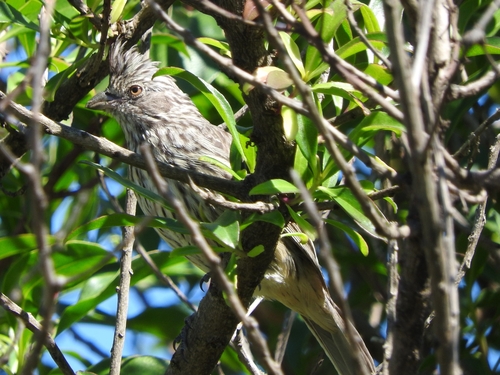
White-tipped Plantcutter (Phytotoma rutila) White-tipped Plantcutter
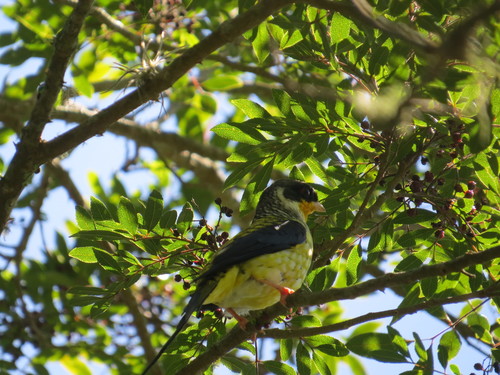
Swallow-tailed Cotinga (Phibalura flavirostris) Swallow-tailed Cotinga

Media

Loading…

In short

The White-tipped Plantcutter and Swallow-tailed Cotinga are both members of the Cotingidae family but are distinguishable by their tail shapes and plumage patterns. The White-tipped Plantcutter has a more uniform coloration with a distinctive white-tipped tail, while the Swallow-tailed Cotinga features a forked tail and a spangled back with contrasting colors.

Identification tips

  1. Tail Shape: Look for the forked tail of the Swallow-tailed Cotinga versus the white-tipped tail of the Plantcutter. 2. Plumage Patterns: Note the spangled back and contrasting colors of the Cotinga. 3. Habitat: Consider the habitat; Plantcutters are more likely in open areas. 4. Vocalization: Listen for the more musical calls of the Cotinga.

Size

Both species are similar in size, but the Swallow-tailed Cotinga may appear larger due to its longer, forked tail.

Plumage

The White-tipped Plantcutter has a more uniform rufous or brownish plumage with a white-tipped tail. In contrast, the Swallow-tailed Cotinga has a striking spangled back with green, black, and white, a rusty-orange throat, and a blackish, forked tail. Females of both species are duller, but the Cotinga's females still show some spangling.

Behaviour

Both species exhibit typical cotinga behaviors, but the Swallow-tailed Cotinga is more likely to be seen perched prominently, showing off its tail.

Habitat

The White-tipped Plantcutter is found in open woodlands and scrubby areas, while the Swallow-tailed Cotinga prefers forest edges and clearings. Their habitats may overlap in transitional zones.

Voice

Vocalizations differ notably, with the Swallow-tailed Cotinga having a more varied and musical call compared to the Plantcutter's simpler sounds.

Submit a better description

Use the same sections as the comparison. Your text is published immediately.

The White-tipped Plantcutter and Swallow-tailed Cotinga are both members of the Cotingidae family but are distinguishable by their tail shapes and plumage patterns. The White-tipped Plantcutter has a more uniform coloration with a distinctive white-tipped tail, while the Swallow-tailed Cotinga features a forked tail and a spangled back with contrasting colors.

  1. Tail Shape: Look for the forked tail of the Swallow-tailed Cotinga versus the white-tipped tail of the Plantcutter. 2. Plumage Patterns: Note the spangled back and contrasting colors of the Cotinga. 3. Habitat: Consider the habitat; Plantcutters are more likely in open areas. 4. Vocalization: Listen for the more musical calls of the Cotinga.

Both species are similar in size, but the Swallow-tailed Cotinga may appear larger due to its longer, forked tail.

The White-tipped Plantcutter has a more uniform rufous or brownish plumage with a white-tipped tail. In contrast, the Swallow-tailed Cotinga has a striking spangled back with green, black, and white, a rusty-orange throat, and a blackish, forked tail. Females of both species are duller, but the Cotinga's females still show some spangling.

Both species exhibit typical cotinga behaviors, but the Swallow-tailed Cotinga is more likely to be seen perched prominently, showing off its tail.

The White-tipped Plantcutter is found in open woodlands and scrubby areas, while the Swallow-tailed Cotinga prefers forest edges and clearings. Their habitats may overlap in transitional zones.

Vocalizations differ notably, with the Swallow-tailed Cotinga having a more varied and musical call compared to the Plantcutter's simpler sounds.

Discard your changes?

You have unsaved edits. If you leave now, those changes will be lost.

White-tipped Plantcutter · Swallow-tailed Cotinga · My Tricky Birds