Willow Ptarmigan vs Black Grouse
Lagopus lagopus versus Lyrurus tetrix
Play a quiz with Willow Ptarmigan and Black Grouse
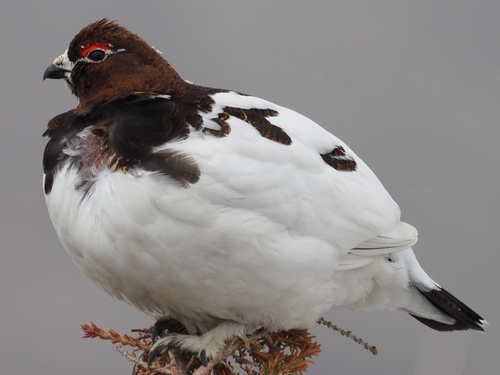
Willow Ptarmigan
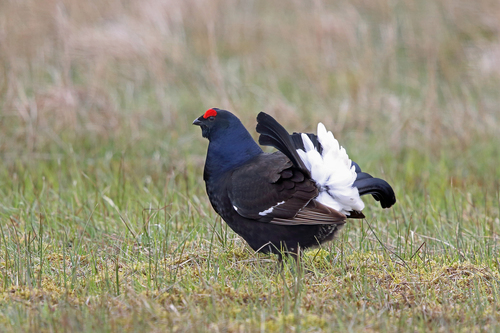
Black Grouse
In short
To distinguish between the Willow Ptarmigan and the Black Grouse, focus on structure and behavior. The Willow Ptarmigan is more compact with a shorter tail, while the Black Grouse has a distinctive lyre-shaped tail. Both species inhabit similar environments, but their behaviors and vocalizations differ significantly.
Identification tips
1. Tail Shape: Look for the lyre-shaped tail of the Black Grouse, especially in males. 2. Size and Structure: Note the more compact size of the Willow Ptarmigan. 3. Plumage: In winter, Willow Ptarmigan turns white, while Black Grouse males remain black with white markings. 4. Behavior: Observe for lekking behavior in Black Grouse during breeding season. 5. Vocalizations: Listen for the bubbling calls of the Black Grouse, especially at dawn and dusk.
Size
The Willow Ptarmigan is generally smaller and more compact than the Black Grouse, which is larger with a more elongated body.
Plumage
Willow Ptarmigan has cryptic plumage year-round, adapting to seasonal changes, while the Black Grouse males are strikingly black with a distinctive white wing-bar and lyre-shaped tail. Females of both species are more camouflaged, but the Black Grouse female is slightly darker.
Behaviour
Willow Ptarmigan males are involved in parental care, which is unusual for grouse, while Black Grouse males are known for their lekking behavior during the breeding season.
Habitat
Both species inhabit northern environments, but Willow Ptarmigan are more likely to be found in open tundra and shrubland, whereas Black Grouse prefer forest edges and moorland.
Voice
Willow Ptarmigan vocalizations are more subdued and less varied compared to the Black Grouse, which has a distinctive bubbling call during lek displays.