Birdr

Wood Thrush vs Song Thrush

Hylocichla mustelina versus Turdus philomelos

Play a quiz with Wood Thrush and Song Thrush
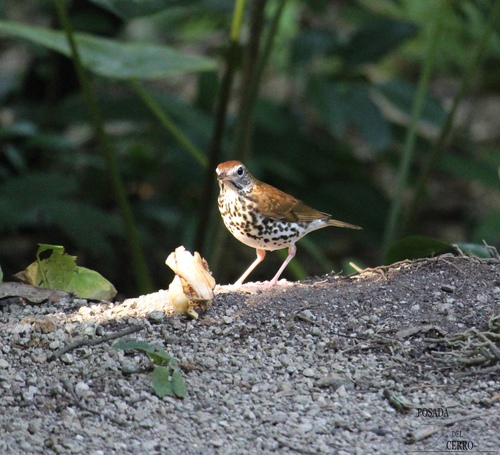
Wood Thrush (Hylocichla mustelina) Wood Thrush
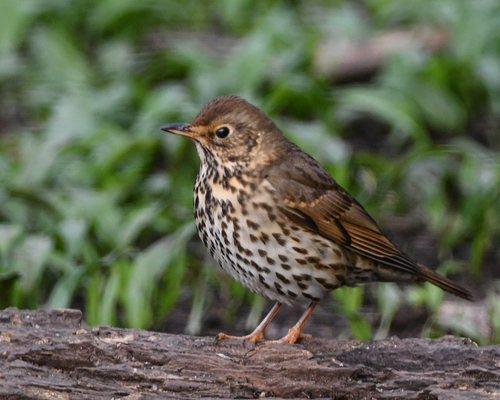
Song Thrush (Turdus philomelos) Song Thrush

Media

Loading…

In short

The Wood Thrush and Song Thrush can be distinguished by their plumage and vocalizations. The Wood Thrush has a more vibrant reddish-brown back and larger, bolder black spots on its white underparts, while the Song Thrush has a more muted brown back and smaller, less distinct spots. Their songs also differ significantly, with the Wood Thrush's ethereal, flutelike song contrasting with the Song Thrush's repetitive, varied phrases.

Identification tips

  1. Plumage: Look for the Wood Thrush's reddish-brown back and bold spots versus the Song Thrush's muted brown back and smaller spots. 2. Vocalization: Listen for the Wood Thrush's flutelike song compared to the Song Thrush's repetitive phrases. 3. Habitat: Consider the habitat; Wood Thrushes prefer dense woodlands, whereas Song Thrushes can be found in more open areas.

Size

Both species are similar in size, but the Song Thrush is slightly larger overall.

Plumage

The Wood Thrush has a reddish-brown back and bold, black spots on its white underparts. In contrast, the Song Thrush has a more muted brown back and smaller, less distinct spots on its underparts.

Behaviour

Both species forage on the ground, but the Song Thrush is more likely to be seen using an anvil to break open snail shells.

Habitat

The Wood Thrush is typically found in eastern deciduous woodlands, while the Song Thrush inhabits a wider range of habitats, including gardens and parks in Europe.

Voice

The Wood Thrush's song is flutelike and ethereal, often described as hauntingly beautiful. The Song Thrush's song is characterized by repeated phrases and a more varied repertoire.

Submit a better description

Use the same sections as the comparison. Your text is published immediately.

The Wood Thrush and Song Thrush can be distinguished by their plumage and vocalizations. The Wood Thrush has a more vibrant reddish-brown back and larger, bolder black spots on its white underparts, while the Song Thrush has a more muted brown back and smaller, less distinct spots. Their songs also differ significantly, with the Wood Thrush's ethereal, flutelike song contrasting with the Song Thrush's repetitive, varied phrases.

  1. Plumage: Look for the Wood Thrush's reddish-brown back and bold spots versus the Song Thrush's muted brown back and smaller spots. 2. Vocalization: Listen for the Wood Thrush's flutelike song compared to the Song Thrush's repetitive phrases. 3. Habitat: Consider the habitat; Wood Thrushes prefer dense woodlands, whereas Song Thrushes can be found in more open areas.

Both species are similar in size, but the Song Thrush is slightly larger overall.

The Wood Thrush has a reddish-brown back and bold, black spots on its white underparts. In contrast, the Song Thrush has a more muted brown back and smaller, less distinct spots on its underparts.

Both species forage on the ground, but the Song Thrush is more likely to be seen using an anvil to break open snail shells.

The Wood Thrush is typically found in eastern deciduous woodlands, while the Song Thrush inhabits a wider range of habitats, including gardens and parks in Europe.

The Wood Thrush's song is flutelike and ethereal, often described as hauntingly beautiful. The Song Thrush's song is characterized by repeated phrases and a more varied repertoire.

Discard your changes?

You have unsaved edits. If you leave now, those changes will be lost.

Wood Thrush · Song Thrush · My Tricky Birds