Birdr

Yellow-breasted Crake vs Grey-breasted Crake

Laterallus flaviventer versus Laterallus exilis

Play a quiz with Yellow-breasted Crake and Grey-breasted Crake
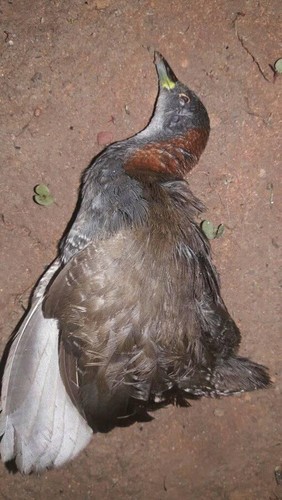
Yellow-breasted Crake (Laterallus flaviventer) Yellow-breasted Crake
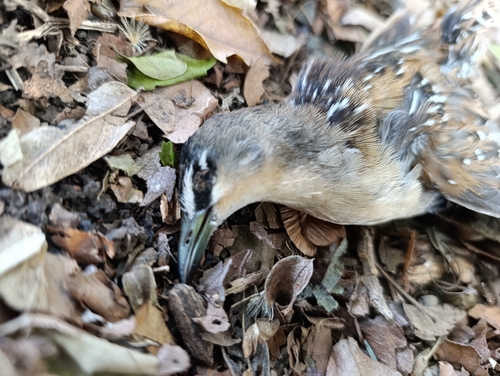
Grey-breasted Crake (Laterallus exilis) Grey-breasted Crake

Media

Loading…

In short

The Yellow-breasted Crake and Grey-breasted Crake are small, secretive rails often found in dense, wet habitats. The Yellow-breasted Crake is distinguished by its bright yellow underparts, while the Grey-breasted Crake has a more subdued grey breast. Both species are elusive and best identified by their vocalizations.

Identification tips

  1. Look for the bright yellow underparts of the Yellow-breasted Crake. 2. Listen for distinct vocalizations, as these are often the most reliable identification method. 3. Observe habitat preferences; Yellow-breasted Crakes may be in slightly more open areas.

Size

Both species are similar in size, small and compact, typical of crakes.

Plumage

The Yellow-breasted Crake features bright yellow underparts, contrasting with its darker upperparts. In contrast, the Grey-breasted Crake has a grey breast with less vibrant coloration overall, making the yellow of the Yellow-breasted Crake a key distinguishing feature.

Behaviour

Both species are secretive and often navigate through dense vegetation using runways under the grass. They are more often heard than seen.

Habitat

Both species inhabit dense, wet areas with shallow standing water. Their habitats overlap, but the Yellow-breasted Crake may be found in slightly more open wetland areas compared to the Grey-breasted Crake.

Voice

Vocalizations are crucial for identification. The Yellow-breasted Crake has a distinctive call that differs from the Grey-breasted Crake, which is often necessary for detection due to their secretive nature.

Submit a better description

Use the same sections as the comparison. Your text is published immediately.

The Yellow-breasted Crake and Grey-breasted Crake are small, secretive rails often found in dense, wet habitats. The Yellow-breasted Crake is distinguished by its bright yellow underparts, while the Grey-breasted Crake has a more subdued grey breast. Both species are elusive and best identified by their vocalizations.

  1. Look for the bright yellow underparts of the Yellow-breasted Crake. 2. Listen for distinct vocalizations, as these are often the most reliable identification method. 3. Observe habitat preferences; Yellow-breasted Crakes may be in slightly more open areas.

Both species are similar in size, small and compact, typical of crakes.

The Yellow-breasted Crake features bright yellow underparts, contrasting with its darker upperparts. In contrast, the Grey-breasted Crake has a grey breast with less vibrant coloration overall, making the yellow of the Yellow-breasted Crake a key distinguishing feature.

Both species are secretive and often navigate through dense vegetation using runways under the grass. They are more often heard than seen.

Both species inhabit dense, wet areas with shallow standing water. Their habitats overlap, but the Yellow-breasted Crake may be found in slightly more open wetland areas compared to the Grey-breasted Crake.

Vocalizations are crucial for identification. The Yellow-breasted Crake has a distinctive call that differs from the Grey-breasted Crake, which is often necessary for detection due to their secretive nature.

Discard your changes?

You have unsaved edits. If you leave now, those changes will be lost.

Yellow-breasted Crake · Grey-breasted Crake · My Tricky Birds