
Braunschopftyrann vs Rotmantel-Waldsänger
Myiarchus tyrannulus gegen Setophaga discolor
Ein Quiz mit Braunschopftyrann und Rotmantel-Waldsänger spielen
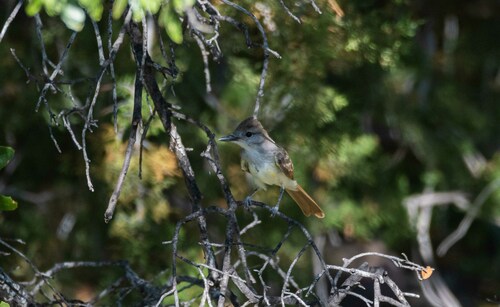 Braunschopftyrann
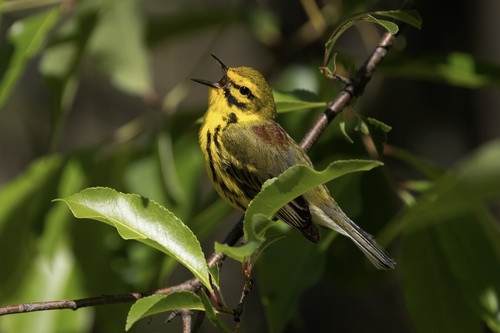 Rotmantel-Waldsänger
Kurz gesagt
Der Braunschopftyrann und der Rotmantel-Waldsänger unterscheiden sich in Struktur und Habitatpräferenzen. Der Tyrann ist ein größerer, höhlenbrütender Vogel, der oft in tropischen und subtropischen Regionen anzutreffen ist, während der Waldsänger kleiner ist und typischerweise offene Wälder und Strauchgebiete bewohnt. Die Gesänge sind entscheidend für die Identifizierung, insbesondere beim Tyrann.
Bestimmungstipps
- Größe und Struktur: Beachten Sie die größere Größe und den robusten Schnabel des Braunschopftyrann im Vergleich zum kleineren Rotmantel-Waldsänger.
- Gefieder: Achten Sie auf die leuchtend gelben und schwarzen Streifen des Rotmantel-Waldsängers, die sich von den gedämpfteren Tönen des Tyrann abheben.
- Habitat: Berücksichtigen Sie das Habitat; Tyrannen sind eher in tropischen Baumkronen zu finden, während Waldsänger in offenen Wäldern leben.
- Vokalisation: Hören Sie auf die charakteristischen Rufe; die Stimme des Tyrann ist ein wichtiges Identifikationsmerkmal.
Größe
Der Braunschopftyrann ist größer als der Rotmantel-Waldsänger, mit einem robusteren Körper und einem größeren Schnabel.
Gefieder
Der Braunschopftyrann hat ein gedämpfteres braunes und gelbliches Gefieder, während der Rotmantel-Waldsänger ein helleres Gelb mit markanten schwarzen Streifen an den Seiten zeigt.
Lebensraum
Der Braunschopftyrann wird oft in tropischen und subtropischen Regionen gefunden, bevorzugt Baumkronen und Höhlenbrutplätze. Der Rotmantel-Waldsänger zieht offene Wälder und Strauchgebiete vor.
Stimme
Vokalisationen sind entscheidend für die Identifizierung des Braunschopftyrann, da er seine Stimme zur Artenkennung nutzt. Der Gesang des Rotmantel-Waldsängers ist eine charakteristische aufsteigende Serie von summenden Tönen.
Braunschopftyrann · Rotmantel-Waldsänger · Meine schwierigen Vögel