
Copetón Tiranillo vs Reinita Galana
Myiarchus tyrannulus frente a Setophaga discolor
Juega un quiz con Copetón Tiranillo y Reinita Galana
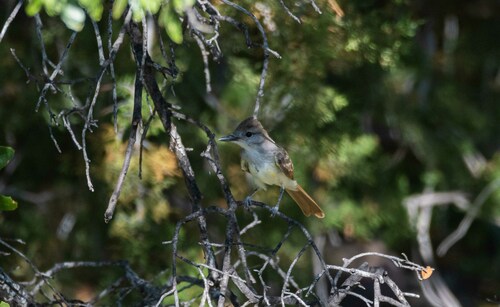 Copetón Tiranillo
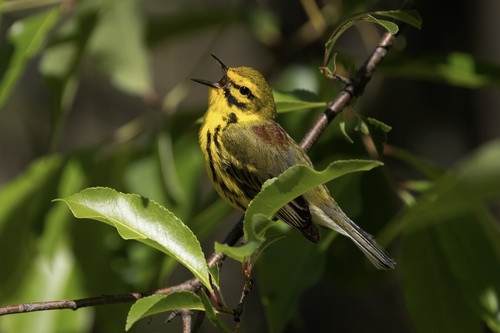 Reinita Galana
En breve
El Copetón Tiranillo y la Reinita Galana son distintos en estructura y preferencias de hábitat. El tiranillo es un ave más grande, que anida en cavidades y se encuentra a menudo en regiones tropicales y subtropicales, mientras que la reinita es más pequeña y típicamente habita en bosques abiertos y áreas de matorrales. Las vocalizaciones son clave para la identificación, especialmente para el tiranillo.
Consejos de identificación
- Tamaño y Estructura: Nota el tamaño más grande y el pico robusto del Copetón Tiranillo en comparación con la más pequeña Reinita Galana.
- Plumaje: Busca las brillantes franjas amarillas y negras en la Reinita Galana, contrastando con los tonos más apagados del tiranillo.
- Hábitat: Considera el hábitat; los tiranillos son más propensos a estar en copas tropicales, mientras que las reinitas están en bosques abiertos.
- Vocalización: Escucha los llamados distintivos; la voz del tiranillo es una herramienta principal de identificación.
Tamaño
El Copetón Tiranillo es más grande que la Reinita Galana, con un cuerpo más robusto y un pico más grande.
Plumaje
El Copetón Tiranillo tiene un plumaje más apagado de tonos marrones y amarillentos, mientras que la Reinita Galana muestra un amarillo más brillante con distintivas franjas negras en los lados.
Hábitat
El Copetón Tiranillo se encuentra a menudo en regiones tropicales y subtropicales, favoreciendo sitios de anidación en cavidades y en la copa de los árboles. La Reinita Galana prefiere bosques abiertos y áreas de matorrales.
Voz
Las vocalizaciones son cruciales para identificar al Copetón Tiranillo, ya que utiliza su voz para el reconocimiento de especies. La canción de la Reinita Galana es una serie distintiva de notas zumbantes en ascenso.