
maria-cavaleira-de-rabo-enferrujado vs prairie warbler
Myiarchus tyrannulus versus Setophaga discolor
Jogue um quiz com maria-cavaleira-de-rabo-enferrujado e prairie warbler
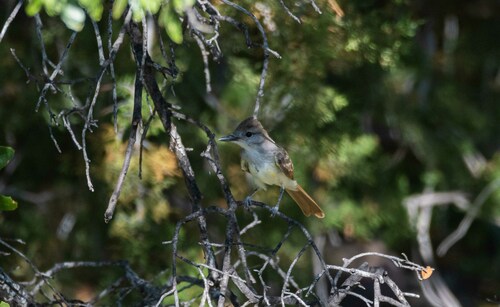 maria-cavaleira-de-rabo-enferrujado
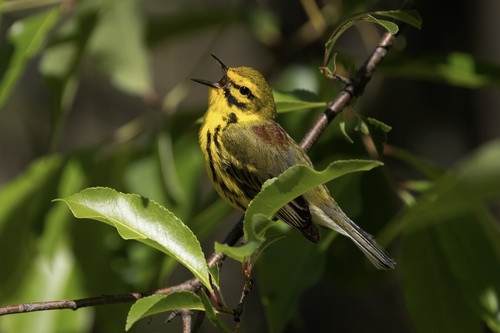 prairie warbler
Em resumo
A maria-cavaleira-de-rabo-enferrujado e o prairie warbler são distintos em estrutura e preferências de habitat. A maria-cavaleira é uma ave maior, que faz ninhos em cavidades, frequentemente encontrada em regiões tropicais e subtropicais, enquanto o warbler é menor e tipicamente habita florestas abertas e áreas de arbustos. As vocalizações são fundamentais para a identificação, especialmente para a maria-cavaleira.
Dicas de identificação
- Tamanho e Estrutura: Note o tamanho maior e o bico robusto da maria-cavaleira-de-rabo-enferrujado em comparação com o menor prairie warbler.
- Plumagem: Procure as listras amarelas brilhantes e pretas no prairie warbler, contrastando com os tons mais suaves da maria-cavaleira.
- Habitat: Considere o habitat; as marias-cavaleiras são mais prováveis em copas tropicais, enquanto os warblers estão em florestas abertas.
- Vocalização: Ouça os chamados distintos; a voz da maria-cavaleira é uma ferramenta principal de identificação.
Tamanho
A maria-cavaleira-de-rabo-enferrujado é maior que o prairie warbler, com um corpo mais robusto e bico maior.
Plumagem
A maria-cavaleira-de-rabo-enferrujado tem uma plumagem mais suave em tons de marrom e amarelo, enquanto o prairie warbler exibe um amarelo mais brilhante com listras pretas distintas nas laterais.
Habitat
A maria-cavaleira-de-rabo-enferrujado é frequentemente encontrada em regiões tropicais e subtropicais, favorecendo copas e locais de nidificação em cavidades. O prairie warbler prefere florestas abertas e áreas de arbustos.
Voz
As vocalizações são cruciais para identificar a maria-cavaleira-de-rabo-enferrujado, pois ela usa a voz para reconhecimento de espécies. A canção do prairie warbler é uma série distinta de notas zumbidoras ascendentes.
maria-cavaleira-de-rabo-enferrujado · prairie warbler · Minhas aves difíceis