
Ohrenlerche vs Langschnabel-Spottdrossel
Eremophila alpestris gegen Toxostoma longirostre
Ein Quiz mit Ohrenlerche und Langschnabel-Spottdrossel spielen
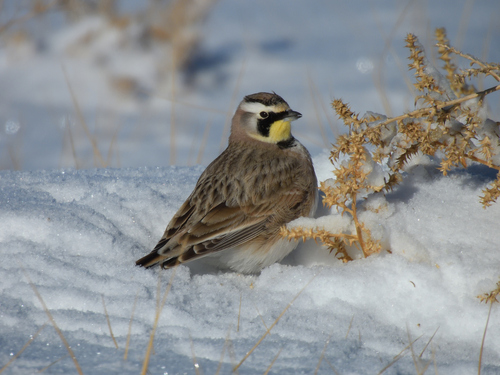 Ohrenlerche
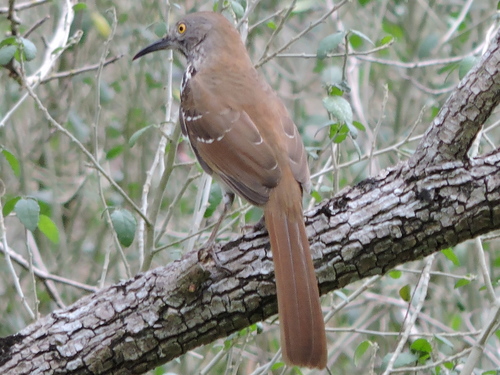 Langschnabel-Spottdrossel
Kurz gesagt
Die Ohrenlerche und die Langschnabel-Spottdrossel sind leicht an ihren Lebensräumen und Verhaltensweisen zu unterscheiden. Die Ohrenlerche ist in offenen Gebieten in Europa und Asien zu finden, während die Langschnabel-Spottdrossel in dichten Gebüschen im Süden von Texas und im Osten von Mexiko lebt. Ihr Gefieder und ihre Struktur sind ebenfalls unterschiedlich, wobei die Ohrenlerche einen kompakteren Körper und markante Gesichtsmerkmale aufweist.
Bestimmungstipps
Lebensraum: Suchen Sie nach Ohrenlerchen in offenen Gebieten, während Langschnabel-Spottdrosseln in dichten Gebüschen zu finden sind. Gesichtsmerkmale: Die Ohrenlerche hat eine schwarze Maske und einen gelben Hals. Schnabelform: Die Langschnabel-Spottdrossel hat einen langen, leicht gebogenen Schnabel.
Gefieder
Die Ohrenlerche hat ein markantes Gesichtsmuster mit einer schwarzen Maske und einem gelben Hals, das bei der Langschnabel-Spottdrossel fehlt. Die Langschnabel-Spottdrossel hat ein einheitlicheres braunes Gefieder mit einem langen, leicht gebogenen Schnabel.
Verhalten
Die Ohrenlerche sucht typischerweise in offenen Gebieten nach Nahrung, während die Langschnabel-Spottdrossel am Boden in dichten Gebüschen nach Nahrung sucht und für ihre kurzen Flüge in Bodennähe bekannt ist.
Lebensraum
Die Ohrenlerche ist in offenen Gebieten von der Arktis bis Nordafrika zu finden, während die Langschnabel-Spottdrossel auf dichte, buschige Lebensräume im Süden von Texas und im Osten von Mexiko beschränkt ist.
Ohrenlerche · Langschnabel-Spottdrossel · Meine schwierigen Vögel