
Allodola golagialla vs Long-billed Thrasher
Eremophila alpestris contro Toxostoma longirostre
Fai un quiz con Allodola golagialla e Long-billed Thrasher
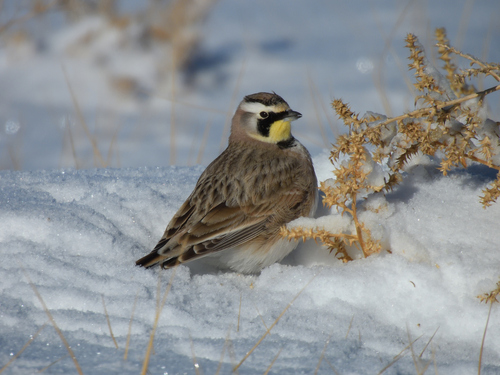 Allodola golagialla
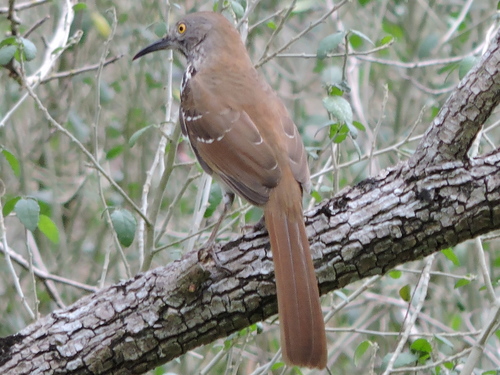 Long-billed Thrasher
In breve
L'Allodola golagialla e il Long-billed Thrasher sono facilmente distinguibili per i loro habitat e comportamenti. L'Allodola golagialla si trova in aree aperte in tutta Europa e Asia, mentre il Long-billed Thrasher è residente in cespugli densi nel sud del Texas e nell'est del Messico. Il loro piumaggio e la loro struttura sono anche distinti, con l'Allodola golagialla che ha un corpo più compatto e segni facciali distintivi.
Consigli di identificazione
Habitat: Cerca le Allodole golagialla in aree aperte, mentre i Long-billed Thrashers si trovano in cespugli densi. Segni facciali: L'Allodola golagialla ha una maschera nera e una gola gialla. Forma del becco: Il Long-billed Thrasher ha un becco lungo e leggermente curvo.
Piumaggio
L'Allodola golagialla ha un modello facciale distintivo con una maschera nera e una gola gialla, che è assente nel Long-billed Thrasher. Il Long-billed Thrasher ha un piumaggio marrone più uniforme con un becco lungo e leggermente curvo.
Comportamento
L'Allodola golagialla di solito cerca cibo in aree aperte, mentre il Long-billed Thrasher cerca cibo a terra in cespugli densi ed è noto per i suoi brevi voli vicino al suolo.
Habitat
L'Allodola golagialla si trova in aree aperte dall'Artico al Nord Africa, mentre il Long-billed Thrasher è limitato a habitat cespugliosi densi nel sud del Texas e nell'est del Messico.
Allodola golagialla · Long-billed Thrasher · I miei uccelli difficili