
Torrentero Dorsinegro vs Bisbita de Hodgson
Enicurus immaculatus frente a Anthus hodgsoni
Juega un quiz con Torrentero Dorsinegro y Bisbita de Hodgson
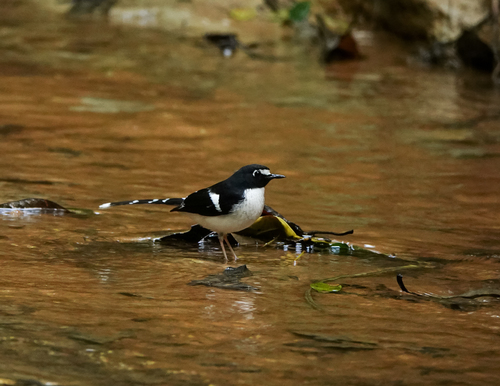 Torrentero Dorsinegro
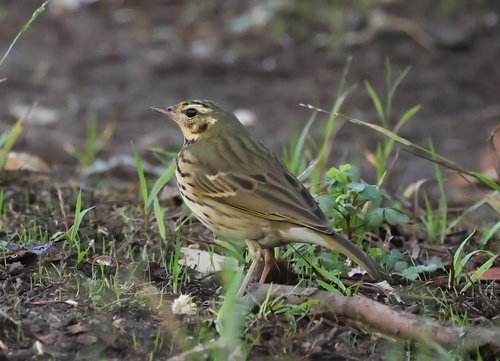 Bisbita de Hodgson
En breve
El Torrentero Dorsinegro y el Bisbita de Hodgson son distintos tanto en apariencia como en comportamiento. El Torrentero es notable por su llamativo plumaje blanco y negro y su larga cola bifurcada, mientras que el Bisbita tiene una coloración más sutil de oliva-marrón con partes inferiores estriadas. Estas especies también difieren significativamente en preferencia de hábitat y comportamiento.
Consejos de identificación
- Busca la larga cola bifurcada y el audaz plumaje blanco y negro para identificar al Torrentero Dorsinegro.
- Nota la espalda oliva-marrón y las partes inferiores estriadas del Bisbita de Hodgson.
- Observa el hábitat: Torrentero cerca del agua, Bisbita en áreas abiertas.
Tamaño
El Torrentero Dorsinegro es generalmente más pequeño y más esbelto en comparación con el Bisbita de Hodgson.
Plumaje
El Torrentero Dorsinegro tiene un plumaje distintivo blanco y negro con una prominente espalda negra y una larga cola bifurcada. En contraste, el Bisbita de Hodgson tiene una espalda oliva-marrón con partes inferiores estriadas, careciendo del audaz contraste blanco y negro.
Comportamiento
El Torrentero Dorsinegro se ve a menudo cerca del agua, moviendo frecuentemente su cola, mientras que el Bisbita de Hodgson es más terrestre, a menudo encontrado caminando en el suelo en busca de insectos.
Hábitat
Los Torrentero Dorsinegro se encuentran típicamente cerca de arroyos y ríos en áreas boscosas, mientras que los Bisbita de Hodgson prefieren bosques abiertos, praderas y, a veces, parques urbanos.
Torrentero Dorsinegro · Bisbita de Hodgson · Mis aves difíciles