
black-backed forktail vs petinha-silvestre
Enicurus immaculatus versus Anthus hodgsoni
Jogue um quiz com black-backed forktail e petinha-silvestre
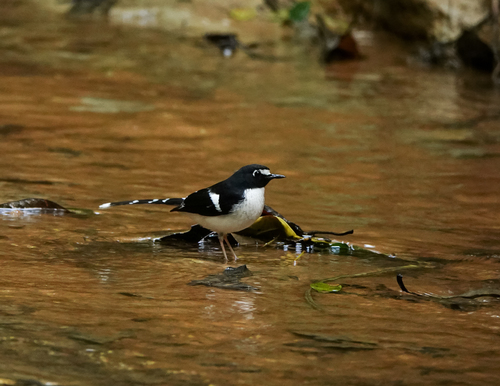 black-backed forktail
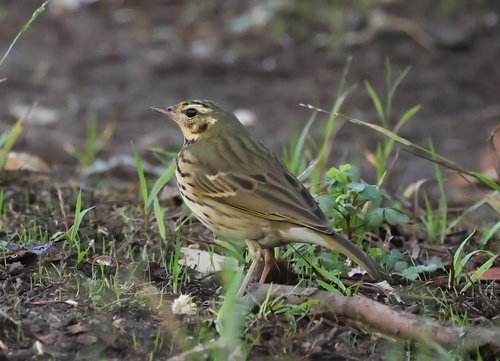 petinha-silvestre
Em resumo
O black-backed forktail e a petinha-silvestre são distintos tanto em aparência quanto em comportamento. O forktail é notável por sua plumagem preta e branca marcante e cauda longa e bifurcada, enquanto a pipit tem uma coloração mais suave, oliva-marrom, com partes inferiores estriadas. Essas espécies também diferem significativamente em preferência de habitat e comportamento.
Dicas de identificação
- Procure pela cauda longa e bifurcada e pela plumagem preta e branca ousada para identificar o black-backed forktail.
- Note as costas oliva-marrom e as partes inferiores estriadas da petinha-silvestre.
- Observe o habitat: forktails perto da água, pipits em áreas abertas.
Tamanho
O black-backed forktail é geralmente menor e mais esguio em comparação com a petinha-silvestre.
Plumagem
O black-backed forktail tem uma plumagem distinta preta e branca com um dorso preto proeminente e uma cauda longa e bifurcada. Em contraste, a petinha-silvestre tem um dorso oliva-marrom com partes inferiores estriadas, sem o contraste ousado de preto e branco.
Comportamento
O black-backed forktail é frequentemente visto perto da água, balançando frequentemente sua cauda, enquanto a petinha-silvestre é mais terrestre, frequentemente encontrada andando no chão em busca de insetos.
Habitat
Os black-backed forktails são tipicamente encontrados perto de riachos e rios em áreas florestais, enquanto as petinhas-silvestres preferem florestas abertas, campos e, às vezes, parques urbanos.
black-backed forktail · petinha-silvestre · Minhas aves difíceis