
Ruiseñor Pechiazul vs Papamoscas Cerrojillo
Luscinia svecica frente a Ficedula hypoleuca
Juega un quiz con Ruiseñor Pechiazul y Papamoscas Cerrojillo
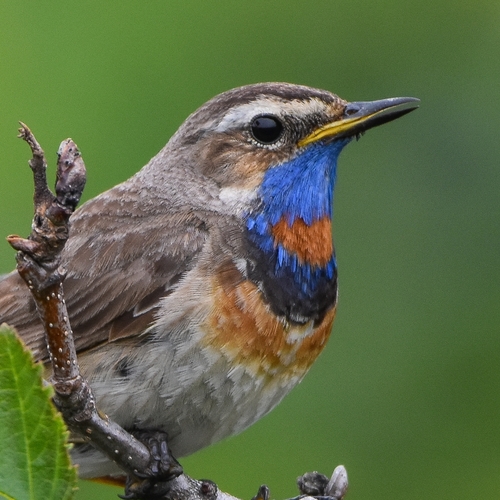 Ruiseñor Pechiazul
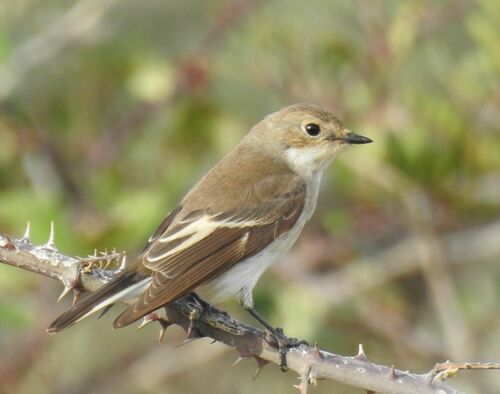 Papamoscas Cerrojillo
En breve
El Ruiseñor Pechiazul y el Papamoscas Cerrojillo se pueden distinguir por su plumaje y comportamiento. El Ruiseñor Pechiazul a menudo muestra una striking garganta azul con una mancha central, mientras que el Papamoscas Cerrojillo se caracteriza por su plumaje en contraste blanco y negro. Comportamentalmente, el Ruiseñor Pechiazul se ve más a menudo en el suelo, mientras que el Papamoscas Cerrojillo se observa típicamente en los árboles.
Consejos de identificación
- Busca la garganta azul con una mancha central en el Ruiseñor Pechiazul, especialmente en machos durante la temporada de cría.
- Observa el plumaje blanco y negro del Papamoscas Cerrojillo, particularmente la mancha blanca en las alas.
- Nota el comportamiento de forrajeo: los Ruiseñores Pechiazul suelen estar en el suelo, mientras que los Papamoscas Cerrojillo son más propensos a estar en los árboles.
Plumaje
El Ruiseñor Pechiazul tiene una garganta azul distintiva con una mancha central, que puede ser roja o blanca dependiendo de la subespecie, y una cola rufo con una banda terminal oscura. En contraste, el Papamoscas Cerrojillo tiene un plumaje blanco y negro, con machos mostrando una parte superior negra y partes inferiores blancas, y una mancha blanca distintiva en las alas.
Comportamiento
El Ruiseñor Pechiazul se ve a menudo forrajeando en el suelo o en vegetación baja, mientras que el Papamoscas Cerrojillo es más arbóreo, frecuentemente visto atrapando insectos en vuelo desde una percha.
Ruiseñor Pechiazul · Papamoscas Cerrojillo · Mis aves difíciles