
pisco-de-peito-azul vs papa-moscas-preto
Luscinia svecica versus Ficedula hypoleuca
Jogue um quiz com pisco-de-peito-azul e papa-moscas-preto
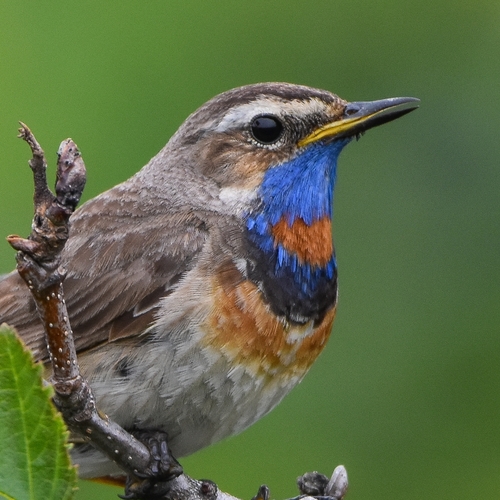 pisco-de-peito-azul
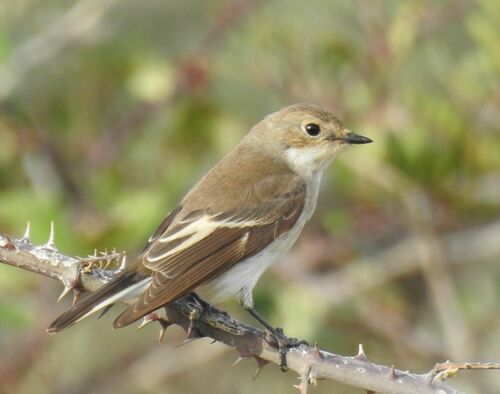 papa-moscas-preto
Em resumo
O pisco-de-peito-azul e o papa-moscas-preto podem ser distinguidos por sua plumagem e comportamento. O pisco-de-peito-azul frequentemente exibe uma impressionante garganta azul com uma mancha central, enquanto o papa-moscas-preto é caracterizado por sua plumagem contrastante preta e branca. Comportamentalmente, o pisco-de-peito-azul é mais frequentemente visto no chão, enquanto o papa-moscas-preto é tipicamente observado em árvores.
Dicas de identificação
- Procure pela garganta azul com uma mancha central no pisco-de-peito-azul, especialmente nos machos durante a época de reprodução.
- Observe a plumagem preta e branca do papa-moscas-preto, particularmente a mancha branca na asa.
- Note o comportamento de forrageio: os piscos-de-peito-azul estão frequentemente no chão, enquanto os papas-moscas-preto são mais propensos a estar em árvores.
Plumagem
O pisco-de-peito-azul tem uma garganta azul distinta com uma mancha central, que pode ser vermelha ou branca dependendo da subespécie, e uma cauda ruiva com uma faixa terminal escura. Em contraste, o papa-moscas-preto tem uma plumagem preta e branca, com machos exibindo uma parte superior preta e partes inferiores brancas, e uma mancha branca distinta nas asas.
Comportamento
O pisco-de-peito-azul é frequentemente visto forrageando no chão ou em vegetação baixa, enquanto o papa-moscas-preto é mais arbóreo, frequentemente visto capturando insetos em voo a partir de um poleiro.
pisco-de-peito-azul · papa-moscas-preto · Minhas aves difíceis