
Gorgebleue à miroir vs Gobemouche noir
Luscinia svecica contre Ficedula hypoleuca
Faire un quiz avec Gorgebleue à miroir et Gobemouche noir
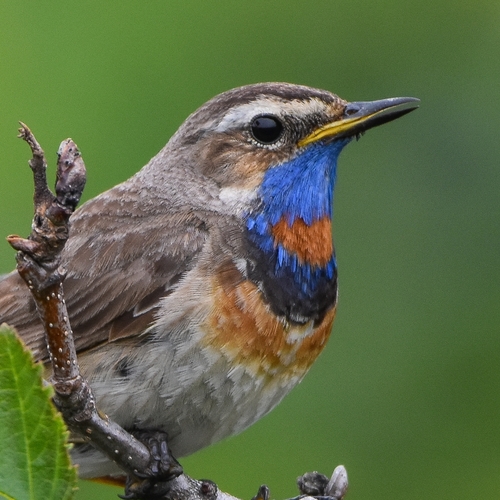 Gorgebleue à miroir
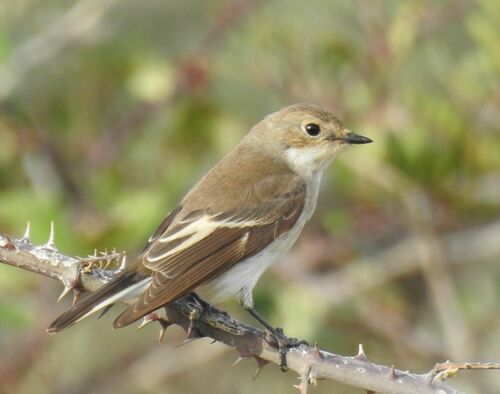 Gobemouche noir
En bref
Le Gorgebleue à miroir et le Gobemouche noir peuvent être distingués par leur plumage et leur comportement. Le Gorgebleue à miroir montre souvent une gorge bleue frappante avec une tache centrale, tandis que le Gobemouche noir se caractérise par son plumage noir et blanc contrasté. Comportementalement, le Gorgebleue à miroir est plus souvent vu au sol, tandis que le Gobemouche noir est généralement observé dans les arbres.
Conseils d’identification
- Recherchez la gorge bleue avec une tache centrale sur le Gorgebleue à miroir, surtout chez les mâles pendant la saison de reproduction.
- Observez le plumage noir et blanc du Gobemouche noir, en particulier la tache blanche sur l'aile.
- Notez le comportement de recherche de nourriture : les Gorgebleues à miroir sont souvent au sol, tandis que les Gobemouches noirs sont plus susceptibles d'être dans les arbres.
Plumage
Le Gorgebleue à miroir a une gorge bleue distinctive avec une tache centrale, qui peut être rouge ou blanche selon la sous-espèce, et une queue rousse avec une bande terminale sombre. En revanche, le Gobemouche noir a un plumage noir et blanc, les mâles montrant une partie supérieure noire et une partie inférieure blanche, avec une tache blanche distinctive sur les ailes.
Comportement
Le Gorgebleue à miroir est souvent vu en train de chercher de la nourriture au sol ou dans la végétation basse, tandis que le Gobemouche noir est plus arboricole, fréquemment observé en train de capturer des insectes en vol depuis un perchoir.
Gorgebleue à miroir · Gobemouche noir · Mes oiseaux difficiles