
Correlimos Zarapitín vs Correlimos Zancolín
Calidris ferruginea frente a Calidris himantopus
Juega un quiz con Correlimos Zarapitín y Correlimos Zancolín
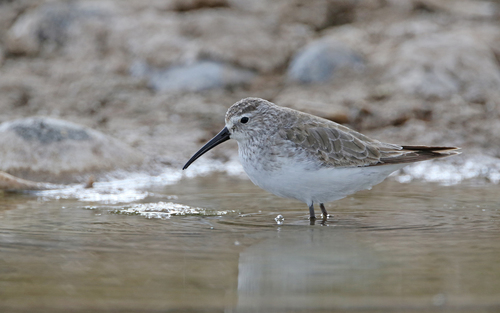 Correlimos Zarapitín
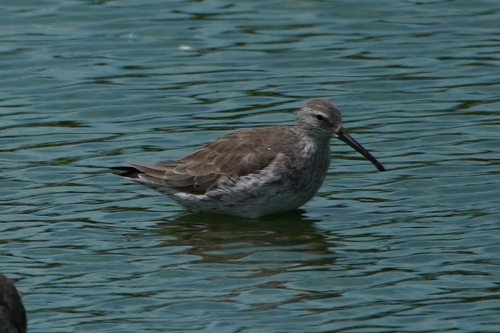 Correlimos Zancolín
En breve
Correlimos Zarapitín y Correlimos Zancolín se pueden distinguir por la forma de su pico y el color de sus patas. Correlimos Zarapitín tiene un pico más largo y más curvado hacia abajo y patas negras, mientras que Correlimos Zancolín tiene un pico más recto y de longitud media y patas verdosas.
Consejos de identificación
1. Bill Shape: Correlimos Zarapitín tiene un pico más largo y más curvado hacia abajo en comparación con el pico más recto de Correlimos Zancolín. 2. Leg Color: Correlimos Zarapitín tiene patas negras, mientras que Correlimos Zancolín tiene patas verdosas. 3. Breeding Plumage: Busca las partes inferiores rufo en Correlimos Zarapitín durante la temporada de cría, contrastando con el patrón de barras de Correlimos Zancolín.
Plumaje
Correlimos Zarapitín en plumaje de cría muestra un color rufo distintivo en las partes inferiores, mientras que Correlimos Zancolín tiene un patrón más de barras en las partes inferiores.
Hábitat
Ambas especies se pueden encontrar en hábitats de humedales similares, pero es más probable que se vea a Correlimos Zarapitín en áreas costeras durante la migración.
Correlimos Zarapitín · Correlimos Zancolín · Mis aves difíciles