
Piovanello comune vs Stilt Sandpiper
Calidris ferruginea contro Calidris himantopus
Fai un quiz con Piovanello comune e Stilt Sandpiper
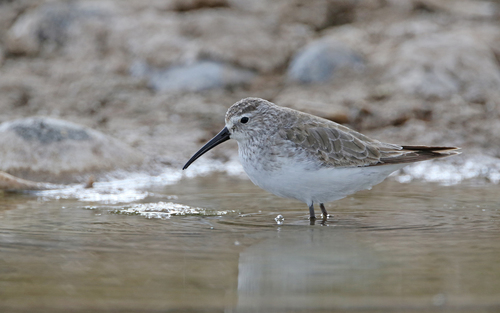 Piovanello comune
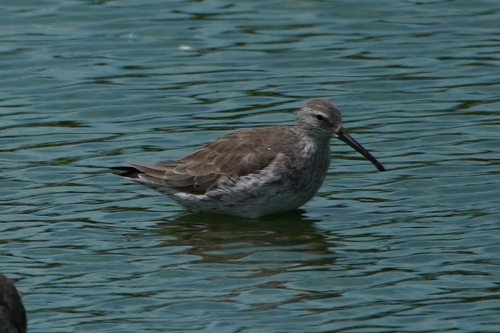 Stilt Sandpiper
In breve
Piovanello comune e Stilt Sandpiper possono essere distinti dalla forma del becco e dal colore delle gambe. Il Piovanello comune ha un becco più lungo e più ricurvo e gambe nere, mentre lo Stilt Sandpiper ha un becco dritto di lunghezza media e gambe verdastre.
Consigli di identificazione
1. Bill Shape: Il Piovanello comune ha un becco più lungo e più ricurvo rispetto al becco dritto dello Stilt Sandpiper. 2. Leg Color: Il Piovanello comune ha gambe nere, mentre lo Stilt Sandpiper ha gambe verdastre. 3. Breeding Plumage: Cerca le parti inferiori rugginose nel Piovanello comune durante la stagione di riproduzione, in contrasto con il motivo barrato dello Stilt Sandpiper.
Piumaggio
Il Piovanello comune in abbigliamento nuziale mostra un colore rugginoso distintivo sulle parti inferiori, mentre lo Stilt Sandpiper ha un motivo più barrato sulle parti inferiori.
Habitat
Entrambe le specie possono essere trovate in habitat umidi simili, ma il Piovanello comune è più probabile che venga visto in aree costiere durante la migrazione.
Piovanello comune · Stilt Sandpiper · I miei uccelli difficili