
Garza Azulada vs Picogrueso Amarillo
Ardea herodias frente a Pheucticus chrysopeplus
Juega un quiz con Garza Azulada y Picogrueso Amarillo
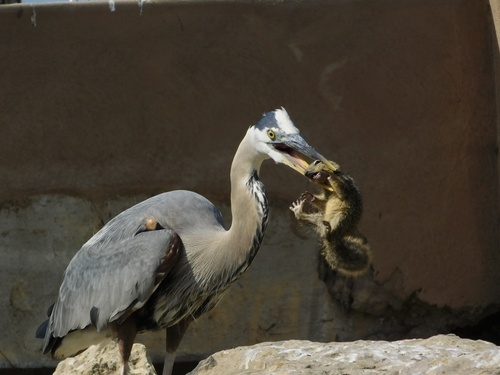 Garza Azulada
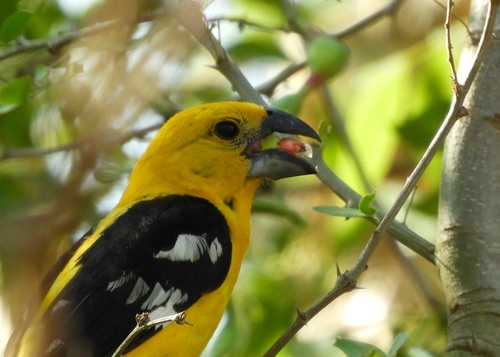 Picogrueso Amarillo
En breve
La Garza Azulada y el Picogrueso Amarillo se distinguen fácilmente por su tamaño y preferencias de hábitat. La garza es un gran ave zancuda, mientras que el picogrueso es un pájaro cantor más pequeño que se alimenta de semillas. Su plumaje y comportamiento también difieren significativamente.
Consejos de identificación
Tamaño y forma: Busca la gran silueta de largas patas de la Garza Azulada frente al Picogrueso Amarillo más pequeño y robusto. Plumaje: Nota la coloración azul-gris de la garza y el cuerpo amarillo brillante del picogrueso. Hábitat: Considera el entorno; las garzas están cerca del agua, los picogruesos en los árboles.
Tamaño
La Garza Azulada es mucho más grande, midiendo alrededor de 4 pies de altura, en comparación con el más pequeño Picogrueso Amarillo, que es aproximadamente del tamaño de un pájaro cantor típico.
Plumaje
Las Garzas Azuladas tienen un plumaje predominantemente azul-gris con una distintiva franja negra sobre el ojo, mientras que los Picogruesos Amarillos son de un amarillo brillante con alas y cola negras.
Comportamiento
Las Garzas Azuladas a menudo se ven zambulléndose en el agua, cazando peces, mientras que los Picogruesos Amarillos se encuentran típicamente en árboles o arbustos, alimentándose de semillas y frutas.
Hábitat
Las Garzas Azuladas se encuentran comúnmente en humedales, pantanos y a lo largo de cuerpos de agua, mientras que los Picogruesos Amarillos prefieren áreas boscosas y bosques abiertos.