
garça-azul-grande vs yellow grosbeak
Ardea herodias versus Pheucticus chrysopeplus
Jogue um quiz com garça-azul-grande e yellow grosbeak
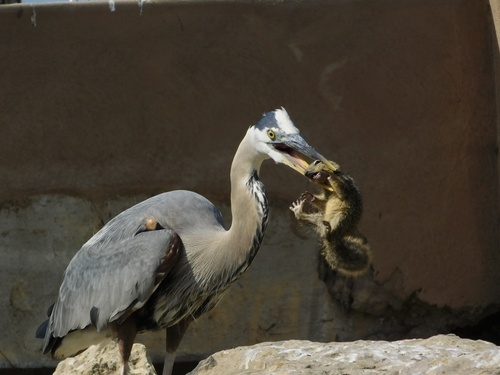 garça-azul-grande
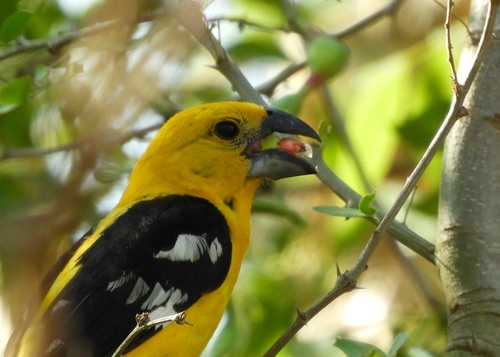 yellow grosbeak
Em resumo
A garça-azul-grande e o yellow grosbeak são facilmente distinguidos pelo seu tamanho e preferências de habitat. A garça é uma grande ave de pernas longas, enquanto o grosbeak é uma ave canora menor que se alimenta de sementes. Sua plumagem e comportamento também diferem significativamente.
Dicas de identificação
Tamanho e forma: Procure pela silhueta grande e de pernas longas da garça-azul-grande em comparação com o yellow grosbeak, que é menor e mais robusto. Plumagem: Note a coloração azul-acinzentada da garça e o corpo amarelo brilhante do grosbeak. Habitat: Considere o ambiente; as garças estão perto da água, os grosbeaks em árvores.
Tamanho
A garça-azul-grande é muito maior, medindo cerca de 1,2 metros de altura, em comparação com o menor yellow grosbeak, que é aproximadamente do tamanho de uma ave canora típica.
Plumagem
As garças-azul-grande têm uma plumagem predominantemente azul-acinzentada com uma faixa preta distinta sobre o olho, enquanto os yellow grosbeaks são amarelos brilhantes com asas e cauda pretas.
Comportamento
As garças-azul-grande são frequentemente vistas se alimentando em águas, caçando peixes, enquanto os yellow grosbeaks são tipicamente encontrados em árvores ou arbustos, se alimentando de sementes e frutas.
Habitat
As garças-azul-grande são comumente encontradas em áreas úmidas, pântanos e ao longo de corpos d'água, enquanto os yellow grosbeaks preferem áreas florestais e matas abertas.