
Great Blue Heron vs Yellow Grosbeak
Ardea herodias contro Pheucticus chrysopeplus
Fai un quiz con Great Blue Heron e Yellow Grosbeak
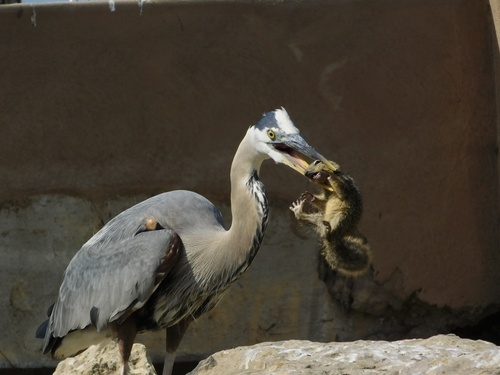 Great Blue Heron
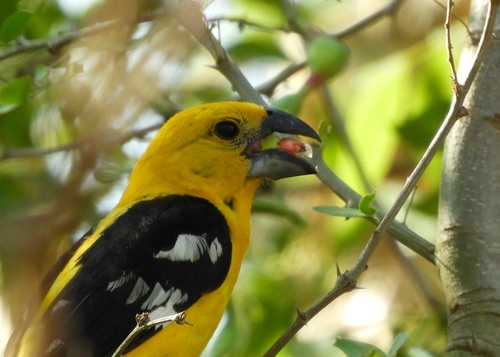 Yellow Grosbeak
In breve
Il Great Blue Heron e il Yellow Grosbeak sono facilmente distinguibili per le loro dimensioni e preferenze di habitat. L'airone è un grande uccello di passo, mentre il grosbeak è un uccello canoro più piccolo che si nutre di semi. Il loro piumaggio e comportamento differiscono anche significativamente.
Consigli di identificazione
Size and shape: Cerca la grande silhouette con lunghe gambe del Great Blue Heron rispetto al più piccolo e tozzo Yellow Grosbeak. Plumage: Nota la colorazione blu-grigia dell'airone e il corpo giallo brillante del grosbeak. Habitat: Considera l'ambiente; gli aironi si trovano vicino all'acqua, i grosbeak sugli alberi.
Taglia
Il Great Blue Heron è molto più grande, alto circa 4 piedi, rispetto al più piccolo Yellow Grosbeak, che è all'incirca delle dimensioni di un tipico uccello canoro.
Piumaggio
I Great Blue Heron hanno un piumaggio prevalentemente blu-grigio con una distintiva striscia nera sopra l'occhio, mentre i Yellow Grosbeak sono di un giallo brillante con ali e coda nere.
Comportamento
I Great Blue Heron sono spesso visti guadare nell'acqua, cacciando pesci, mentre i Yellow Grosbeak si trovano tipicamente sugli alberi o nei cespugli, nutrendosi di semi e frutti.
Habitat
I Great Blue Heron si trovano comunemente in zone umide, paludi e lungo i corpi idrici, mentre i Yellow Grosbeak preferiscono aree boschive e boschi aperti.
Great Blue Heron · Yellow Grosbeak · I miei uccelli difficili