
Copetón Viajero vs Azulillo Sietecolores
Myiarchus crinitus frente a Passerina ciris
Juega un quiz con Copetón Viajero y Azulillo Sietecolores
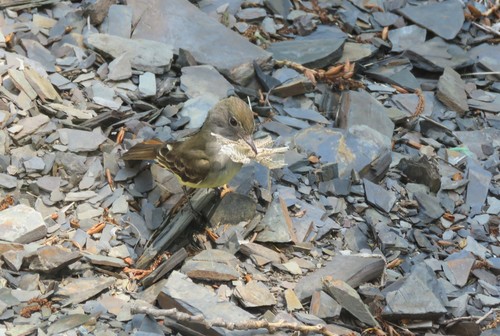 Copetón Viajero
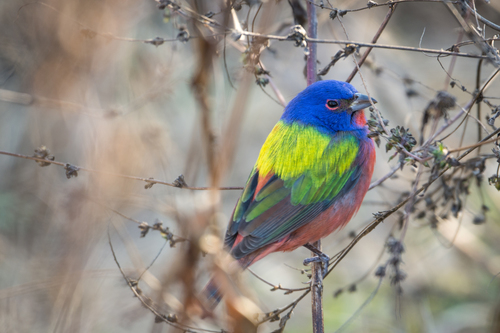 Azulillo Sietecolores
En breve
El Copetón Viajero y el Azulillo Sietecolores se distinguen fácilmente por su plumaje: el viajero es predominantemente marrón y amarillo, mientras que el sietecolores es conocido por sus colores vibrantes, especialmente en los machos. También difieren significativamente en la preferencia de hábitat y comportamiento, con el viajero favoreciendo áreas boscosas y el sietecolores a menudo encontrado en entornos más abiertos y arbustivos.
Consejos de identificación
Busque el plumaje marrón y amarillo del Copetón Viajero y su cresta en áreas boscosas. En contraste, busque los colores vibrantes del Azulillo Sietecolores en hábitats abiertos y arbustivos. Los colores brillantes del macho del Azulillo Sietecolores son inconfundibles, mientras que las hembras y los inmaduros son verdosos pero aún distintos del viajero.
Plumaje
El Copetón Viajero tiene un cuerpo superior marrón con un vientre amarillo pálido y una cresta distintiva. En contraste, el Azulillo Sietecolores, especialmente el macho, tiene colores vívidos con una cabeza azul, partes inferiores rojas y un dorso verde. Las hembras y los inmaduros del Azulillo Sietecolores son más apagados, con plumaje verdoso, pero aún difieren marcadamente de la coloración del viajero.
Hábitat
Los Copetones Viajeros se encuentran típicamente en áreas boscosas, mientras que los Azulillos Sietecolores prefieren hábitats más abiertos y arbustivos, a menudo cerca del agua. Esta diferencia en el hábitat puede ser una pista útil al identificar estas especies.
Copetón Viajero · Azulillo Sietecolores · Mis aves difíciles